Whole-House Fan and Night Ventilation Heat-Wave Plan
A practical home-energy guide for night ventilation, whole-house fans, window timing, filtration, safety, and when outdoor air should stay outside.
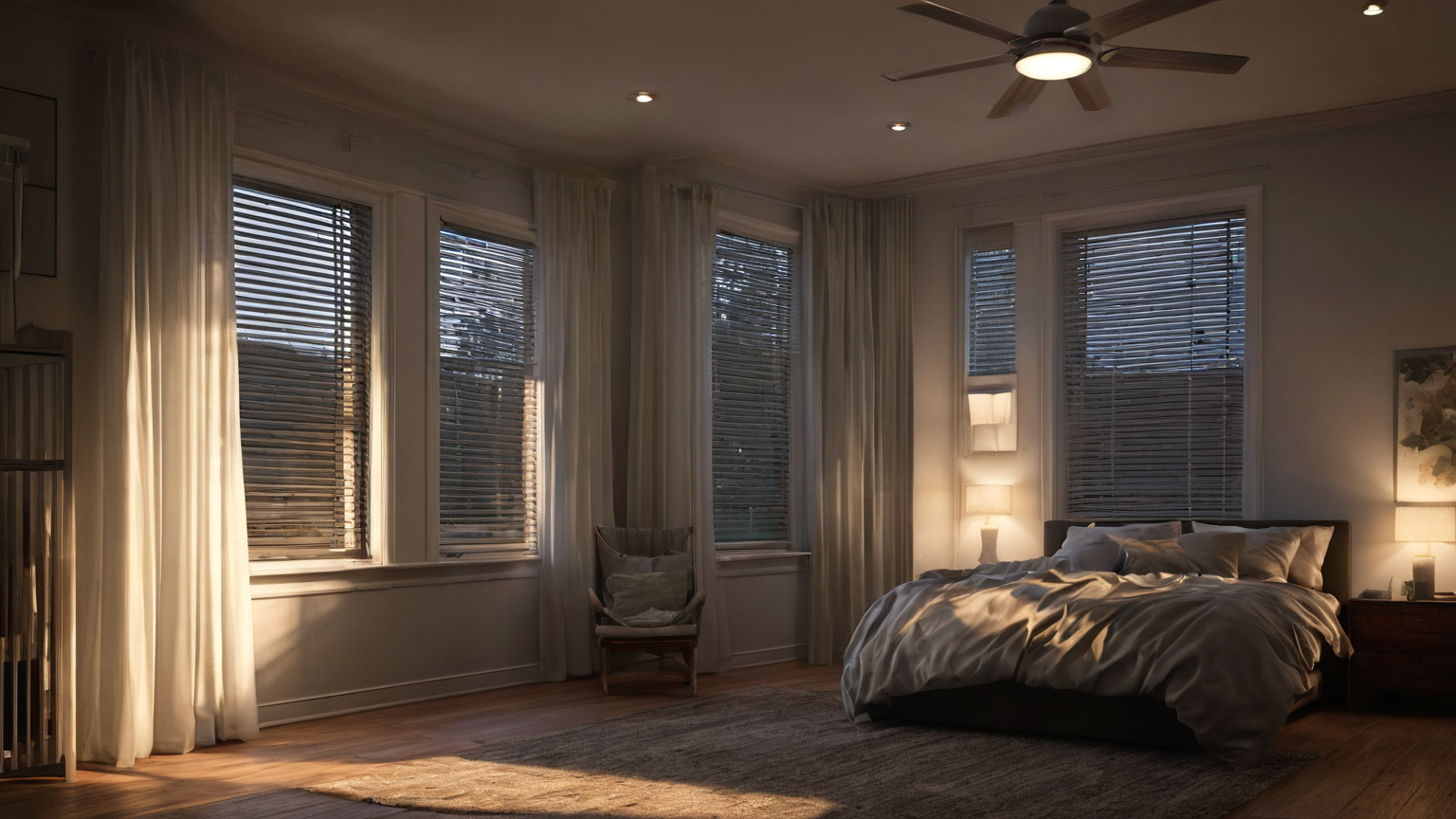
Night ventilation can reduce cooling load, but it is not a universal heat-wave solution. Outdoor air may stay warm, smoky, humid, polluted, noisy, or unsafe. Whole-house fans can move a lot of air, but they also require open windows, safe electrical installation, clear grilles, and a morning close-up routine. This guide was checked on 2026-06-13 against DOE, EPA, AirNow, CDC, NOAA/NWS, and CPSC safety resources. It is not electrical, HVAC, or medical advice; follow product manuals, building codes, local alerts, and qualified contractors when installation or wiring is involved.
Night ventilation go/no-go choices
| Situation | Safer choice | Mistake to avoid |
|---|---|---|
| Outdoor air is cooler and AQI is acceptable | Ventilate during the cooler window | Opening windows just because it is nighttime |
| Smoke, ozone, or humidity is high | Keep windows closed and prioritize filtration/cooling | Pulling polluted air through the house |
| Morning sun returns | Close windows and shades early | Leaving the night setup open until rooms heat up |
| Fan makes unusual noise or wiring is uncertain | Stop and use manual/qualified help | Improvising with electrical or attic components |
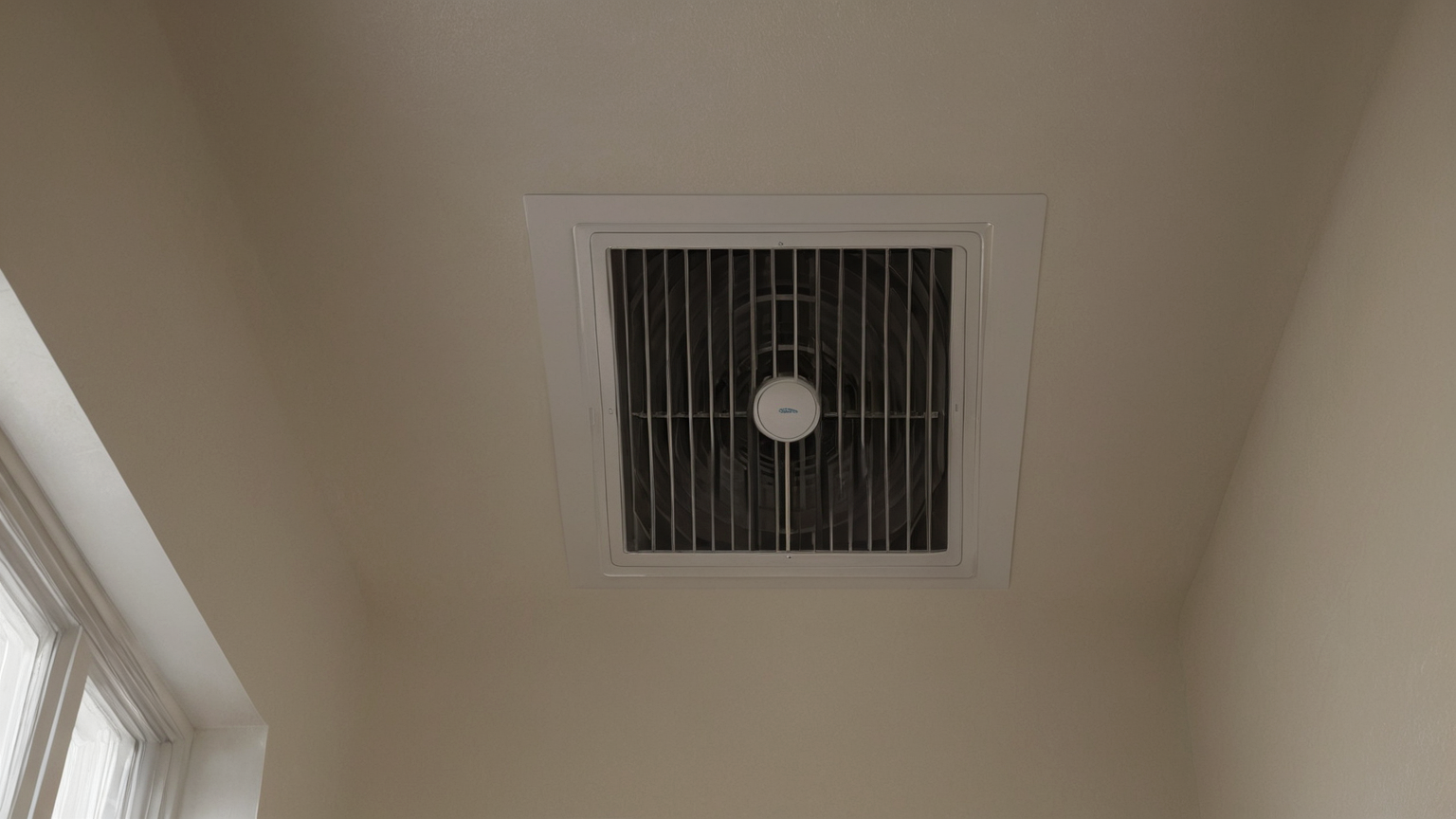
1. Open only when outdoor air is actually better
The useful question is not “is it night?” but “is outdoor air cooler and cleaner than indoor air?” Check the forecast, local temperature, humidity, wildfire smoke or ozone conditions, and security constraints. If outdoor air remains hot or polluted, keep the envelope closed and rely on safer cooling or filtration. Opening windows during poor air quality can turn an energy-saving habit into an indoor-air problem.
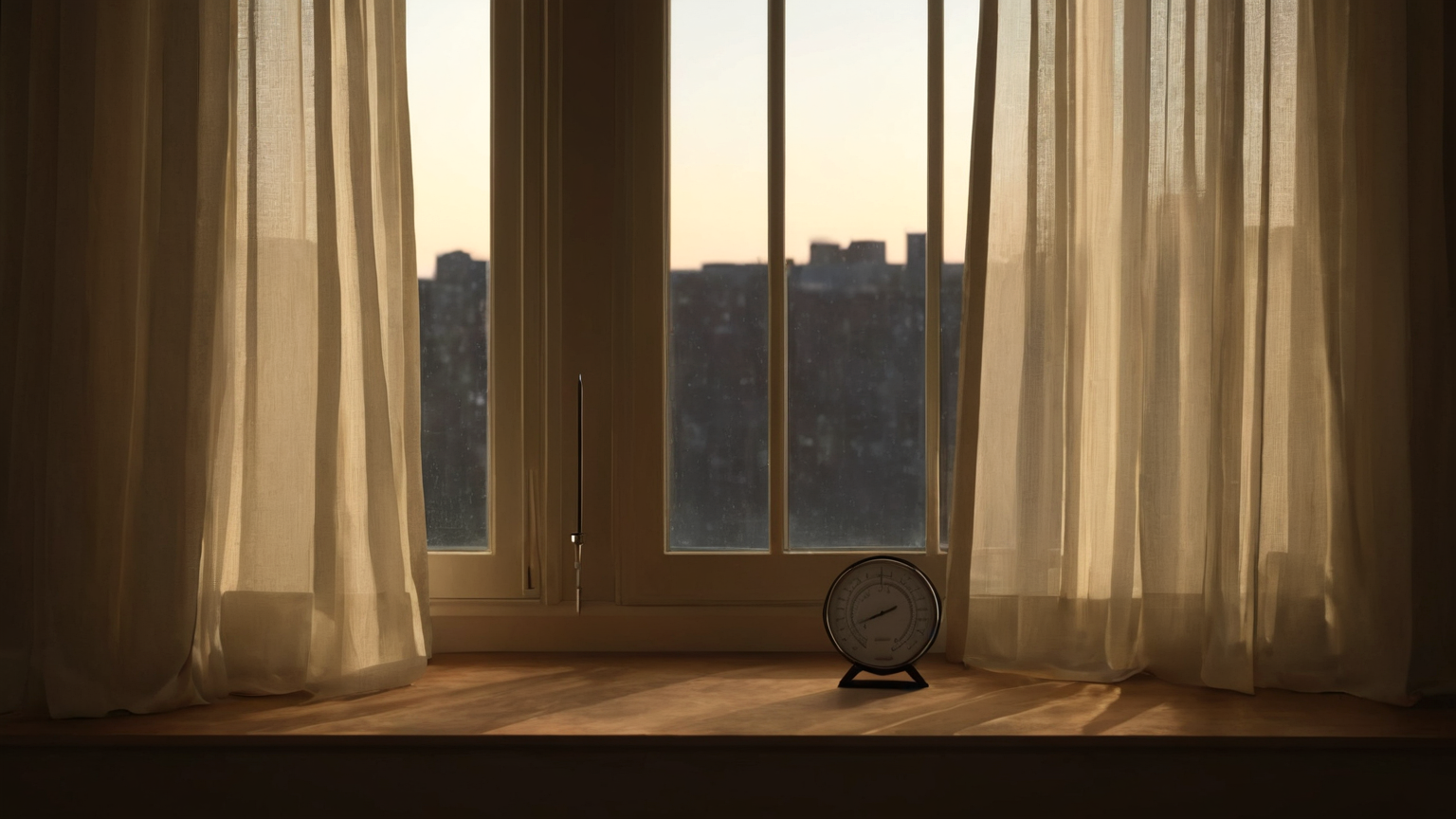
2. Create a short whole-house fan routine
A whole-house fan plan should be short enough to repeat: open selected windows, confirm screens and privacy, run the fan during the cooler window, then shut windows and shades before heat returns. Do not block grilles, bypass covers, or ignore unusual noise. If the fan is new, old, or behaving strangely, use the manual and a qualified installer rather than improvising around wiring or attic ventilation questions.
3. Pair ventilation with morning heat control
The night plan fails if morning sun reheats the house. Close windows, lower shades, reduce unnecessary internal heat, and decide which room needs priority cooling. This makes the fan part of a complete comfort strategy instead of a one- device promise. It also helps readers who rent or cannot add equipment: timing, shade, and room selection still matter.
4. Protect vulnerable people before chasing savings
Energy savings are useful only if the home remains safe. During dangerous heat, older adults, infants, people with medical conditions, and anyone without adequate cooling may need a cooling center, air-conditioned room, or emergency advice. Fans and night air can improve comfort, but they do not reverse every heat-health risk. Treat official heat alerts as health information, not just energy information.

5. Keep maintenance and source checks visible
Clean accessible grilles as the manual allows, keep combustibles away from equipment, avoid extension-cord improvisation, and review local air-quality sources during smoke season. This source-led, limitation-aware framing preserves AdSense readiness because it answers a real household decision without pretending that one appliance fits every climate, house, or health situation.
Reader checklist
- Check the current official source or alert before relying on memory.
- Match the advice to the actual person, food, vehicle, room, route, or equipment involved in this article topic.
- Choose the conservative option when two warning signs overlap.
- Keep procedures, tables, and warnings as readable page text rather than embedded image text.
- Record what you changed so the next decision is easier and more trustworthy.
FAQ
Is this guide current? It was reviewed on 2026-06-13 against the listed sources. Current alerts, product manuals, recalls, road rules, and qualified professional advice still take priority.
Does this article contain affiliate recommendations? No. The daily publishing goal is helpful-content quality and AdSense readiness, so this article prioritizes practical source-backed decisions over product placement.
Why are the visuals text-free? GTI13/ComfyUI generated the raster illustrations, while the actual checklist and decision table stay in HTML/MDX text so readers can copy, search, translate, and verify them.