Portable AC and Fan Heat-Wave Plan: Energy, Comfort, and Safety
A practical 2026 plan for using room air conditioners, fans, thermostat setbacks, clean filters, and heat-health rules without unsafe shortcuts.
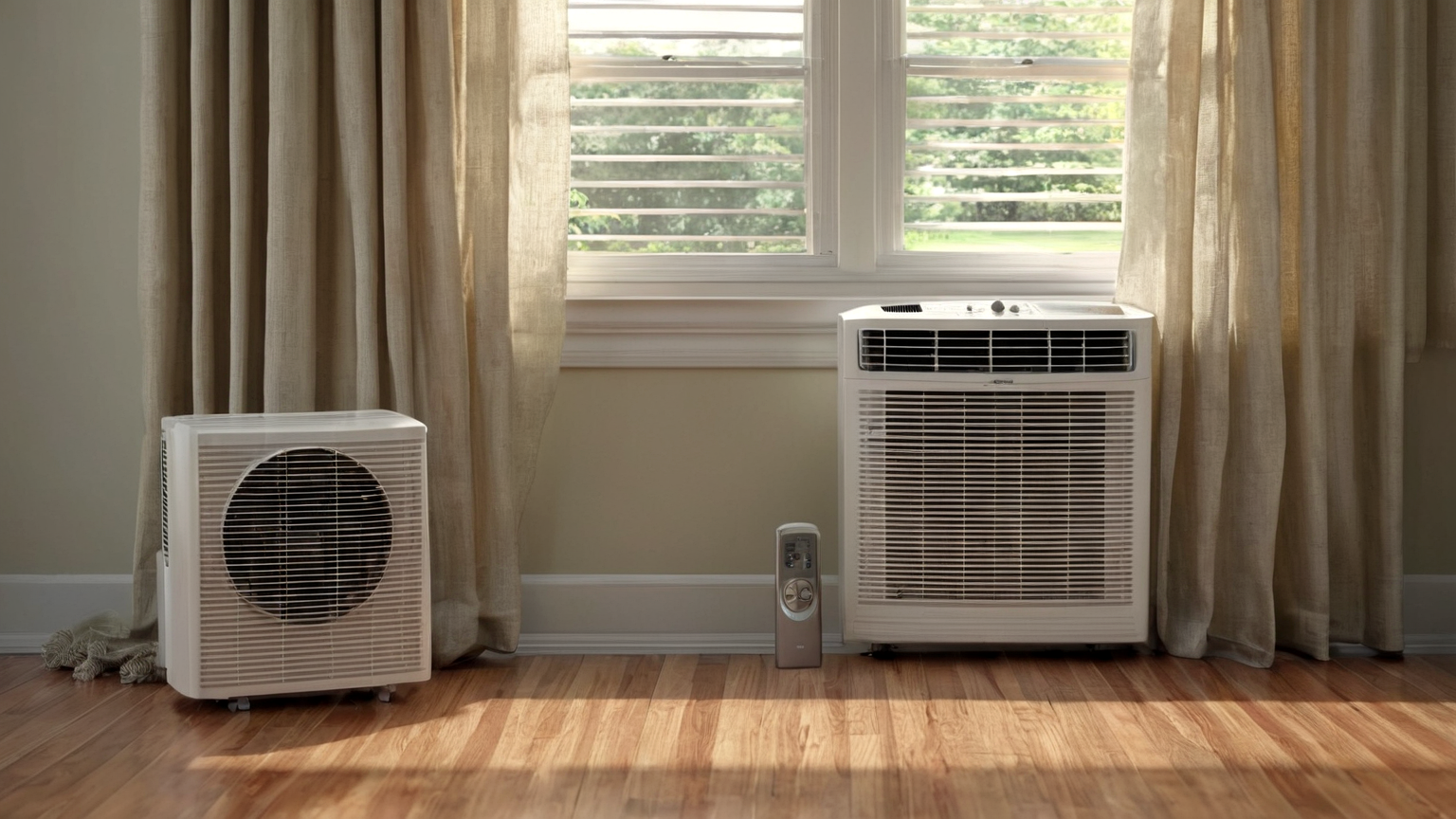
Portable ACs and fans can make a heat wave more manageable, but they are not interchangeable. An AC lowers air temperature when installed and drained correctly; a fan helps sweat evaporate but can be unsafe as the only cooling strategy in very hot conditions for vulnerable people. This 2026 guide explains how to combine cooling, ventilation, electricity safety, and energy use without relying on myths or product hype.
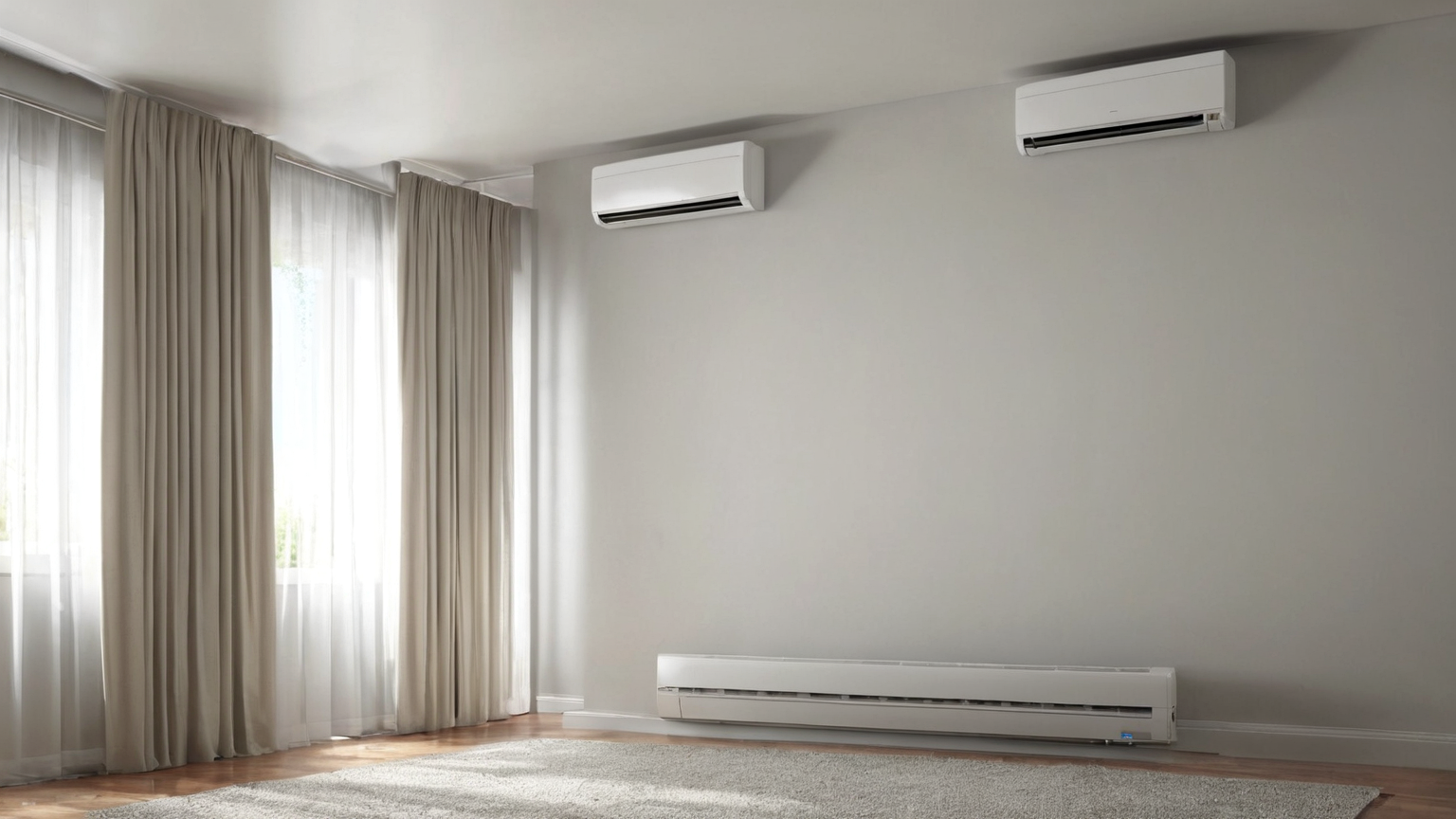
Cooling choice table
| Condition | Better first move | Why |
|---|---|---|
| Room is hot but outdoor air is cooler at night | Ventilate strategically, then close blinds by day | Reduces heat load before AC runs |
| Room remains dangerously hot | Use AC or go to a cooling location | Fans alone may not reduce core heat risk |
| Humidity is high | Drain/maintain AC and consider dehumidification | Humidity makes sweat cooling less effective |
| Extension cord would be required | Reposition safely or use another outlet as directed | High-load appliances need safe electrical setup |
1. Install the portable AC like an appliance, not a decoration
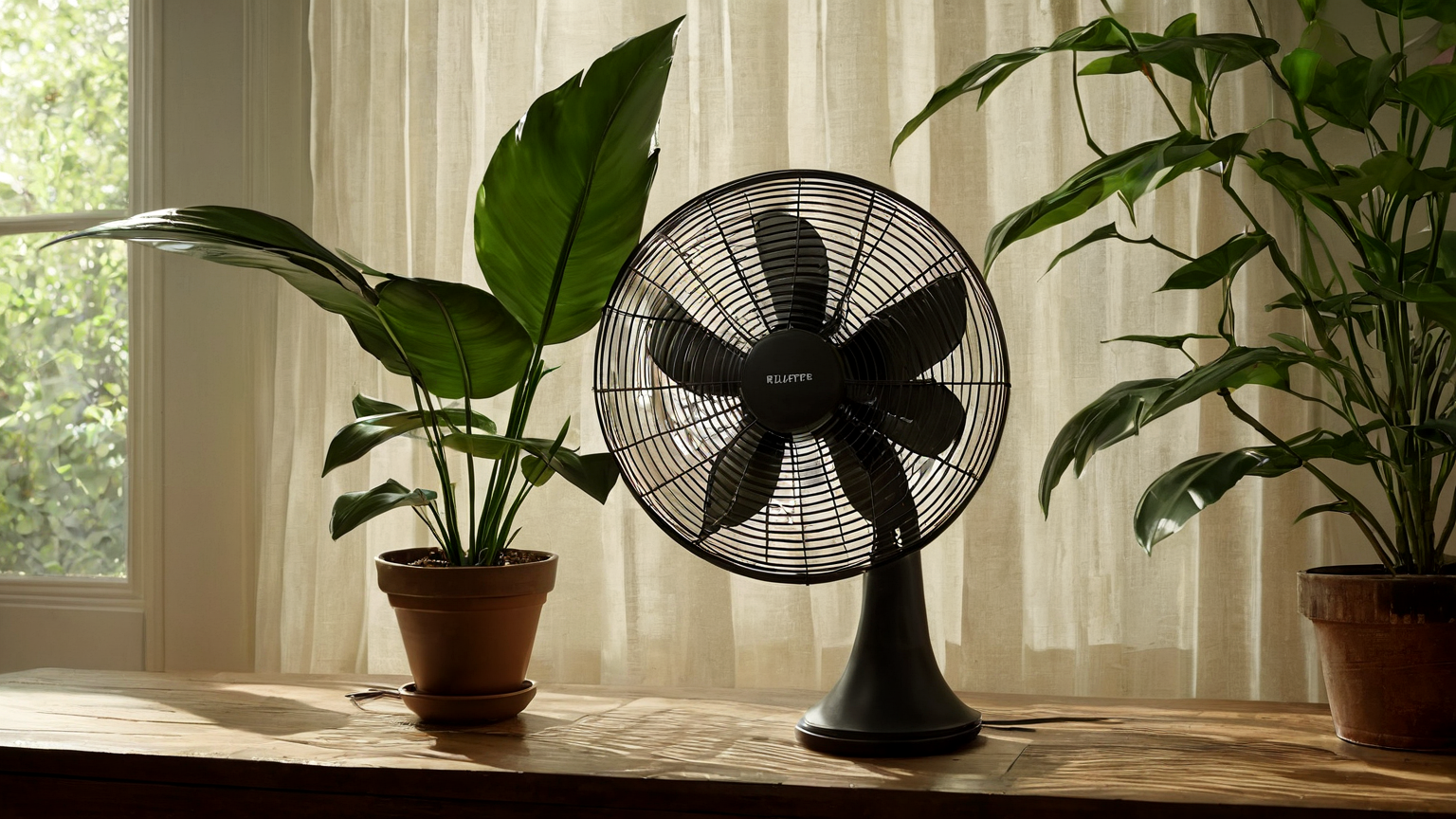
A single-hose portable AC exhausts hot air through a window kit. Gaps, crushed hoses, or a loose panel can pull hot air back in and waste energy. Keep the exhaust hose short and straight, keep the unit level, and follow the manual for drainage. Clean filters on schedule so airflow stays strong. Do not push the unit against curtains, bedding, or clutter that blocks intake and exhaust.
Before a heat wave, do a fifteen-minute test run. Confirm the outlet, condensate plan, window seal, and airflow before the hottest afternoon exposes the problem.
2. Use fans to move air, not to pretend the room is cooler
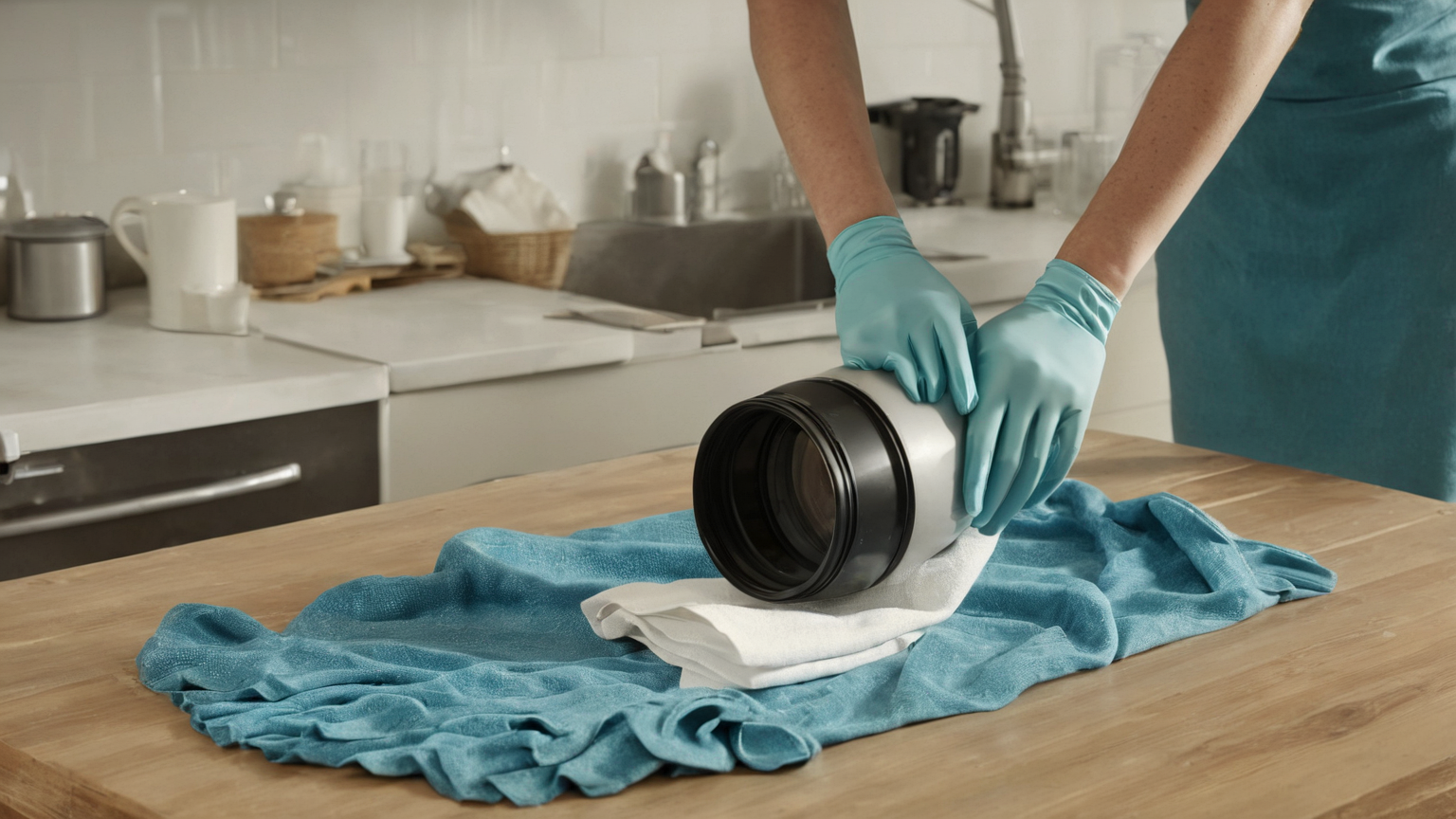
Fans are useful when they move cooler air toward people or support evaporation at moderate temperatures. They do not lower room temperature by themselves. During extreme heat, especially for older adults, children, people with medical conditions, or pets, a fan alone can give false confidence. Pair fans with shade, hydration, cooler rooms, AC, or a public cooling location when needed.
Place fans so cords are not trip hazards and blades are stable. Avoid aiming dusty airflow at sleeping faces or food-prep surfaces.
3. Reduce the heat load before buying more equipment
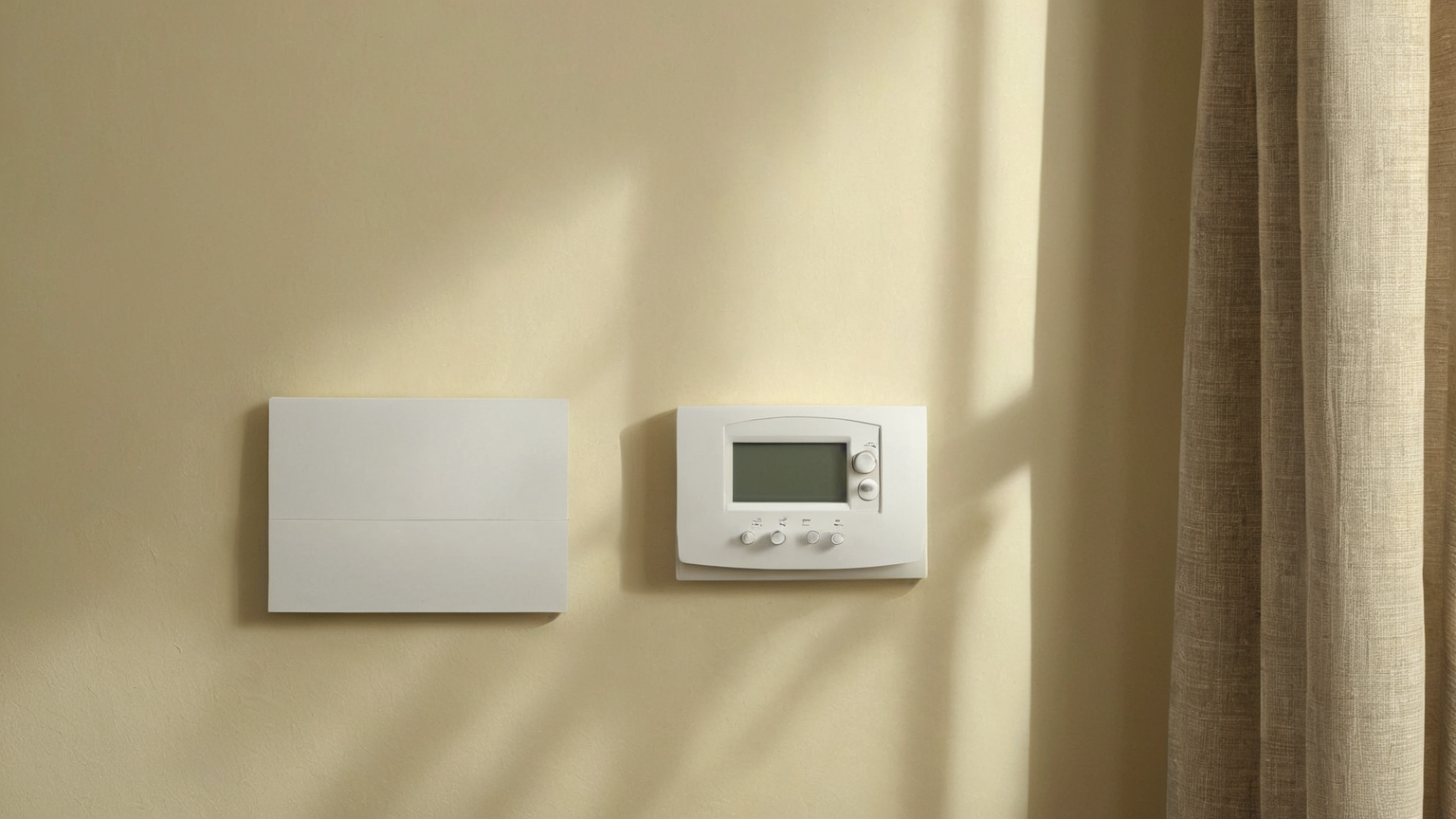
Close blinds on sun-facing windows, seal obvious gaps around the AC panel, cook outdoors only when safe and permitted, and shift heat-producing chores to cooler hours. A thermostat or room thermometer helps you measure whether changes work. If one room is the cooling room, keep doors closed and move essential activities there rather than trying to cool the whole home with an undersized unit.
4. Electrical safety is part of energy efficiency
High-load cooling appliances should use suitable outlets and manufacturer instructions. Avoid daisy-chained power strips, damaged cords, hidden cords under rugs, and overloaded outlets. If an outlet is hot, a breaker trips, or a cord is damaged, stop and get qualified help. Energy savings are not worth a fire hazard.
5. AdSense-readiness note
This article gives non-commercial, source-backed guidance with clear limits: check manuals, use official heat-health guidance, and choose safety over gadget density. The post adds useful content, internal topical links, FAQ structure, and six visually QA’d GTI13 raster assets without thin affiliate filler.
FAQ
Is a fan enough during a heat wave? Sometimes for comfort, but not always for safety. If the room is dangerously hot or someone is vulnerable, use AC, a cooling center, or official local heat guidance.
Should I run a portable AC all day? Use it where it keeps people safe, then reduce heat load with blinds, sealing, and room zoning. Follow the manual for drainage and filters.
Can I use an extension cord? Follow the appliance manual. Many high-load cooling devices should not be used with undersized cords or power strips.