Window Shade and Cross-Ventilation Heat-Wave Plan
A 2026 home-energy guide for window coverings, night flushing, fan direction, indoor air quality, thermostat coordination, and heat-health limits.
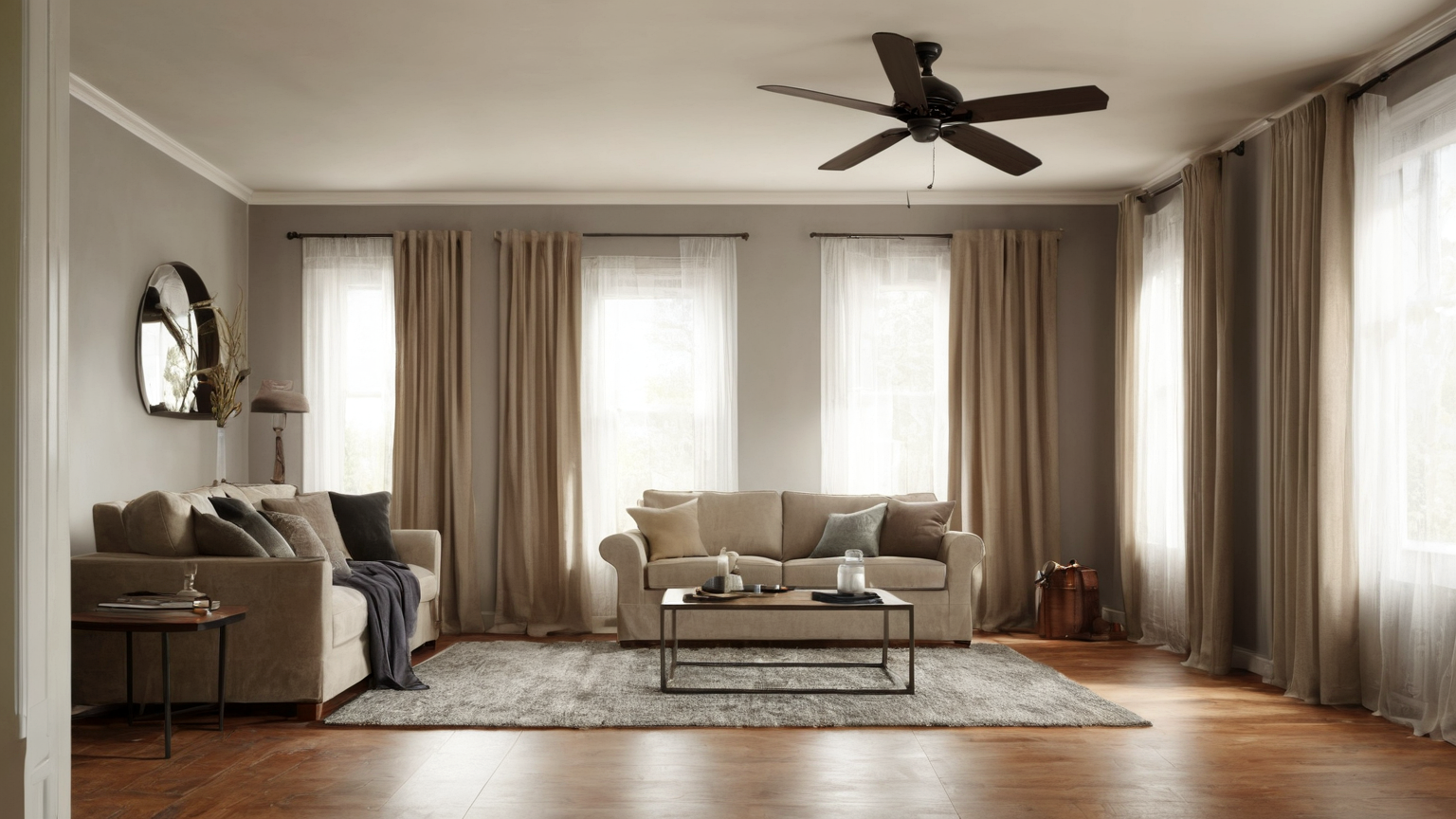
Window shades and cross-ventilation sound simple until the weather, smoke, humidity, and household health risks all point in different directions. Opening windows at the wrong time can bring heat or polluted air inside; closing every shade without a night plan can trap heat; fans can improve comfort but do not lower room temperature by themselves. This guide was checked on 2026-06-07 against DOE Energy Saver, CDC, NWS, and EPA resources. It gives a practical sequence for using shades, timing, fans, and thermostats without unsafe heat-wave shortcuts.
Quick decision table
| Situation | Safer choice | Mistake to avoid |
|---|---|---|
| Morning sun hits glass | Close or angle coverings before the room heats up | Waiting until indoor temperature has already climbed |
| Evening outside air is cooler and clean | Use controlled cross-ventilation and fans briefly | Leaving windows open through hotter or smoky hours |
| Air quality is poor outside | Keep windows closed and improve filtration where possible | Assuming ventilation is always healthier |
| Vulnerable person is uncomfortable | Use cooling centers, AC, or emergency guidance as needed | Treating energy savings as more important than heat safety |
1. Use window coverings as a schedule, not decoration
The first improvement is timing. A useful routine says when to start, when to pause, and what evidence changes the decision. Do not wait for a perfect answer while the risk is already rising. Check the official warning, the actual room or road, and the people affected. Then choose the conservative action early enough that it still works.
2. Ventilate only when outdoor conditions actually help
Optional trips, optional errands, and optional comfort experiments should be the first things removed when weather or indoor conditions become unsafe. This is not overreaction; it is risk budgeting. If the task can move by a few hours, moving it is often cheaper than trying to solve damage, exposure, or an avoidable emergency later.
3. Coordinate fans with people, shade, and thermostat settings
The physical setup must be safe before the tactic is useful. Keep walkways clear, avoid blocking traffic, route cords safely, avoid readable or scannable labels in visual aids, and keep the page’s actual instructions in text instead of hiding them inside an image. This makes the content safer for readers and easier for crawlers to evaluate.
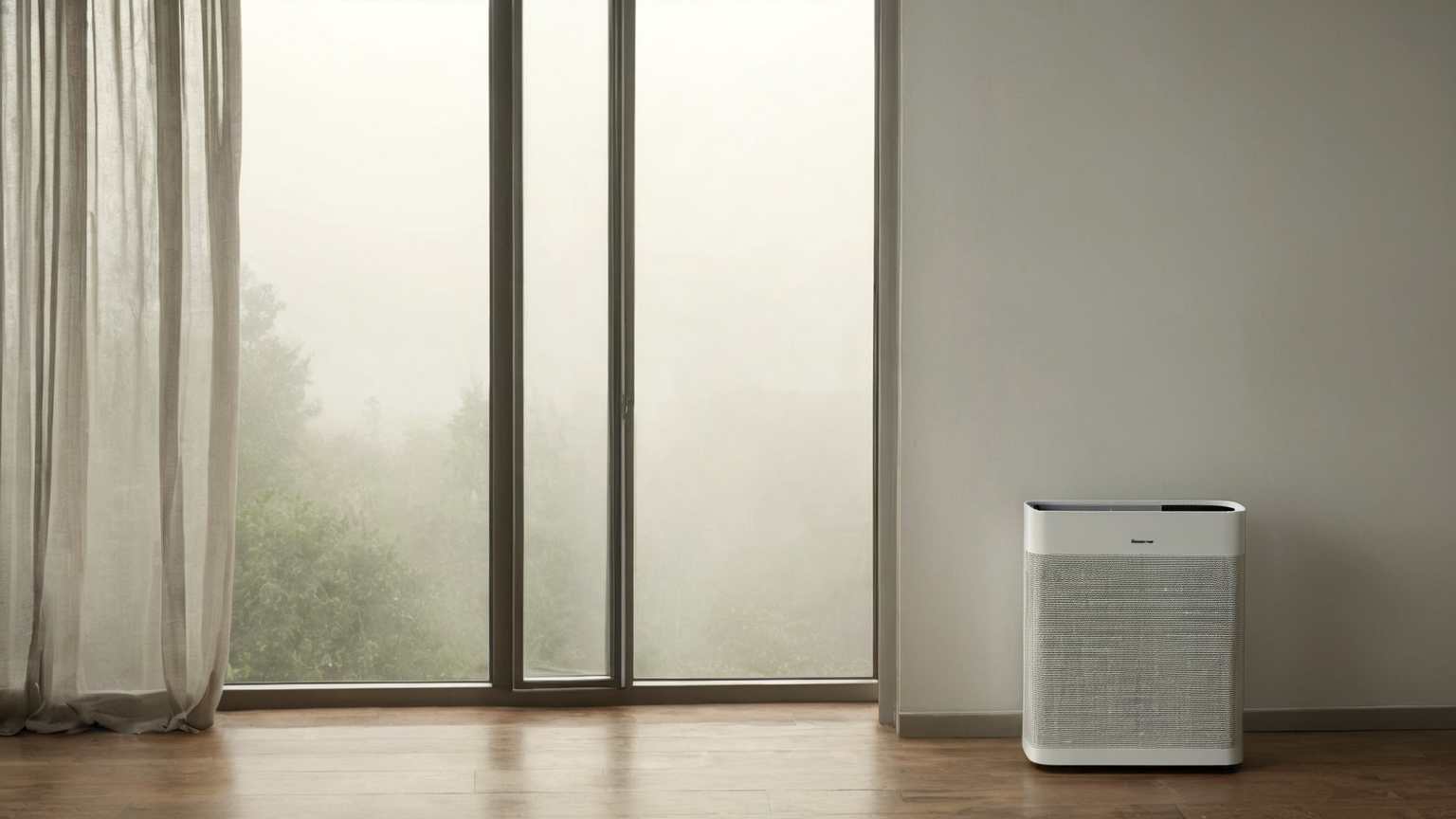
4. Protect indoor air quality during smoke or high pollution
When two warning signs overlap, stop treating the decision as routine. Bad visibility plus hail, or heat plus poor outdoor air, changes the answer. A short table, a checklist, and a few internal links are more useful than a long generic paragraph because the reader can match the condition in front of them to the safer action.

5. Review the plan before the next heat wave
After the event, record what failed and update the checklist. Replace vague advice with exact triggers, official sources, and household constraints. That makes the next version more original and trustworthy, which protects AdSense readiness while also making the article genuinely useful.
Morning shade routine
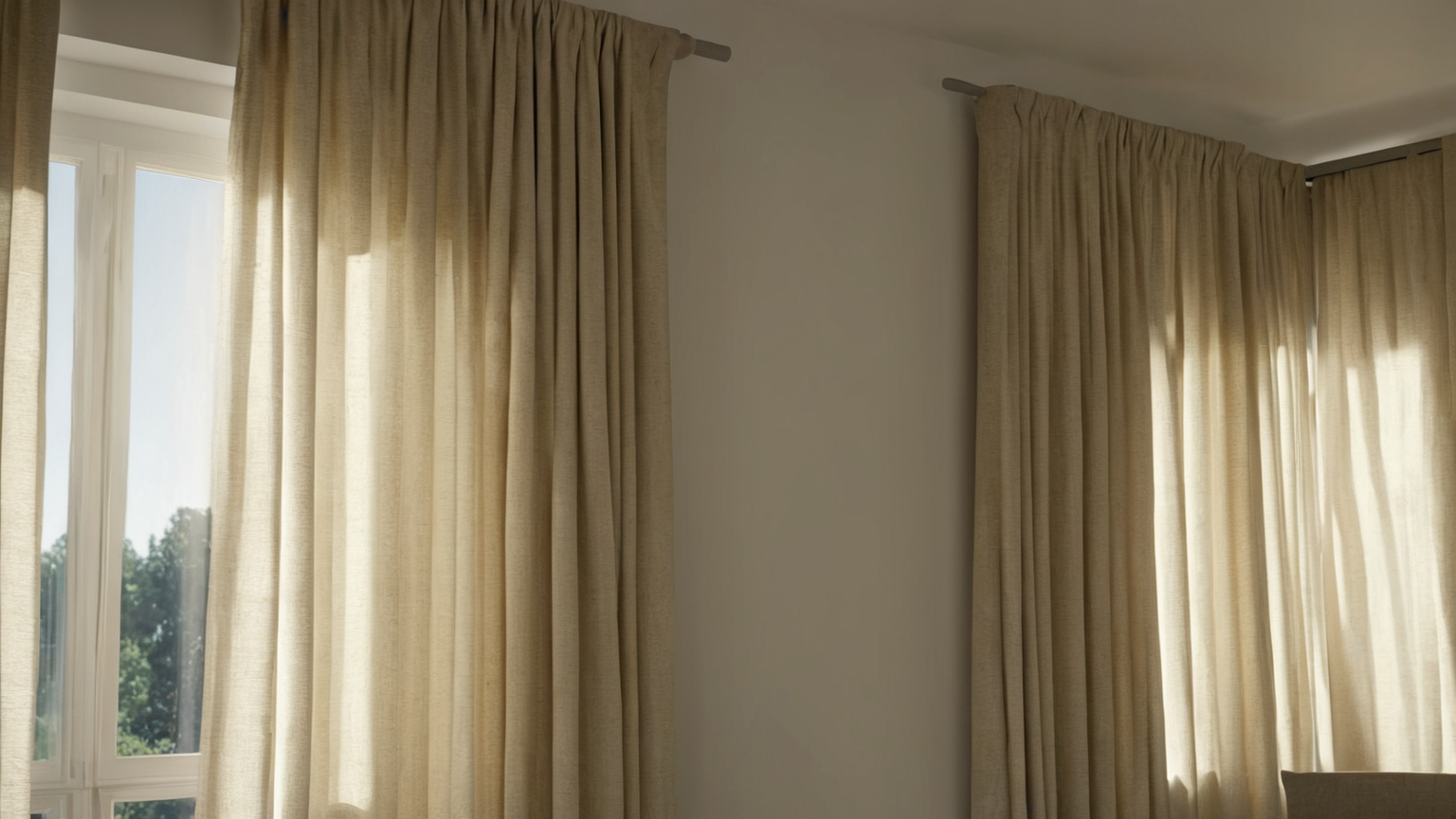
The best time to reduce solar heat gain is before the room becomes hot. In rooms with strong morning or afternoon sun, close insulated curtains, lower blinds, or angle slats before direct sun hits the glass. This does not mean every room must become dark all day. It means the sunny side gets early attention while cooler rooms remain usable. If a room has plants, pets, or people who need daylight, balance shade with comfort and visibility, but do not wait until heat has already built up in furniture, walls, and flooring.
Use a simple map: east-facing windows in the morning, south and west exposures later, and any room that repeatedly overheats. Renters can still benefit from removable curtains, tension rods, reflective panels allowed by the lease, and habits that close coverings during peak sun. Homeowners may add exterior shade, awnings, trees, or window attachments over time, but the daily routine should work with what is already available. A realistic AdSense-quality article avoids claiming that one curtain type will solve every climate, building, or utility-bill problem.
Cross-ventilation timing
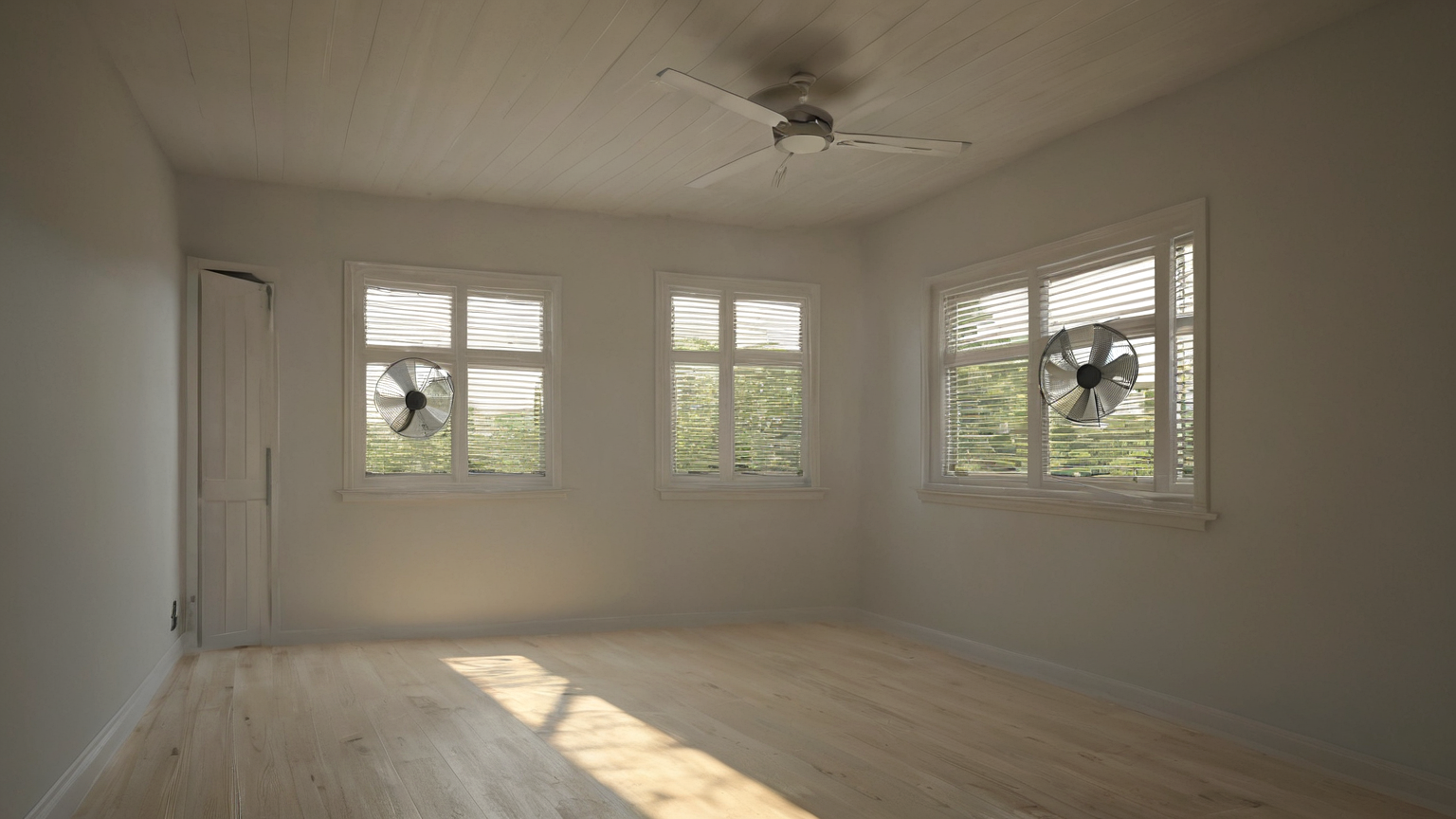
Cross-ventilation works when outdoor air is cooler and cleaner than indoor air. That is often early morning or later evening, but the answer depends on local weather, humidity, smoke, pollen, and security. Open windows on opposite sides only when the exchange helps, then close them before hotter or dirtier outdoor air returns. If wildfire smoke, heavy traffic pollution, or high outdoor humidity is present, ventilation can make the indoor environment worse rather than better.
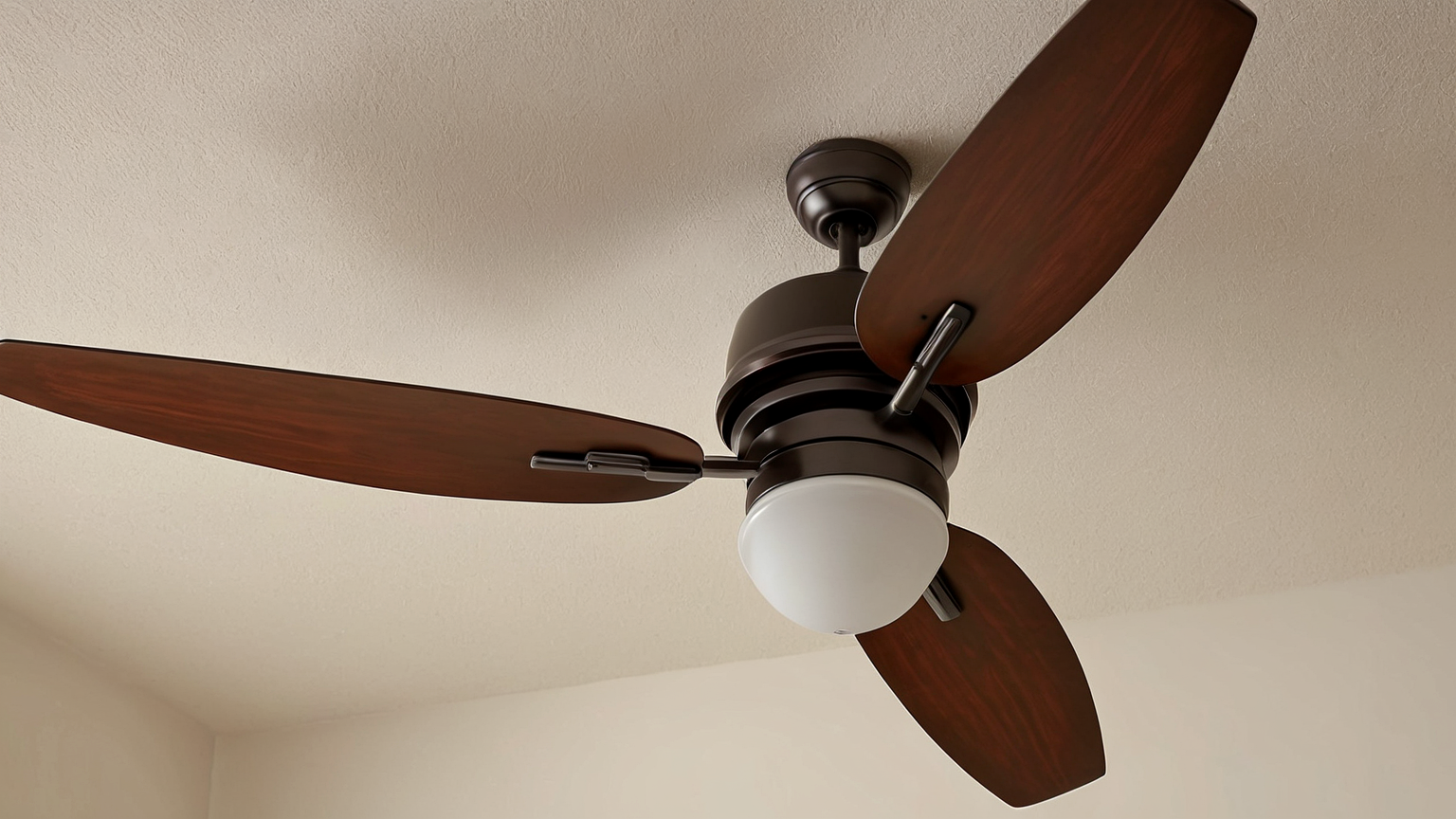
Fans can support the exchange by moving air through a path, but the path matters. A fan blowing into a closed, sun-heated room is not the same as a fan helping cooler outdoor air move through the home. Keep cords out of walkways, avoid overloaded outlets, and do not place fans where curtains can interfere with blades. If a household member has asthma, heat sensitivity, or other health risks, use official health guidance and qualified advice rather than a generic open-window rule.
Fan, thermostat, and room priority
Fans cool people by moving air over skin; they do not lower the room temperature by themselves. During dangerous heat, a fan-only plan can be inadequate, especially for vulnerable people. Pair fans with shade, hydration, nighttime cooling when appropriate, and thermostat settings that protect health. If only one room can be kept comfortable, choose the room where people spend the hottest hours and make that room easier to maintain: shades closed, doors managed, unnecessary heat sources off, and supplies nearby.
Thermostat coordination should be conservative. A setback that saves energy while nobody is home may be reasonable, but a large setback during a heat wave can force equipment to run hard later or leave people uncomfortable. If the home has a heat pump or central air system, follow the equipment and utility guidance. If the home uses room units, avoid cooling empty rooms while the occupied room overheats. The point is not the lowest possible bill; it is energy-aware comfort that still respects heat-health limits.
Indoor air quality limits
Ventilation advice must include the exception: do not bring outdoor air inside when that air is unhealthy. Smoke, ozone, pollen, dust, and high humidity can all change the answer. During poor outdoor air, keep windows closed where possible, reduce indoor sources, use appropriate filtration if available, and follow EPA or local public-health guidance. If a room smells smoky, dusty, damp, or chemical-heavy, treat that as a signal to investigate, not as a reason to keep forcing the same routine.
Humidity is especially important in summer. Opening windows at night may feel cooler, but if it loads the home with moisture, the next day can feel worse and mold risk may rise in susceptible areas. Use local conditions, indoor readings if available, and physical signs such as condensation or musty odor. Green living content should not turn energy saving into self-neglect. Health, safety, and moisture control are part of sustainable home management.
Repair-readiness notes for this publishing workflow
This repaired article intentionally avoids duplicating the earlier humidity/dehumidifier topic. The quality angle is window coverings, timed ventilation, fan coordination, and indoor-air exceptions during heat waves. It also avoids product ranking and affiliate pressure. The images remain realistic supporting visuals, while the operational guidance is written in accessible page text with official sources and internal links. That combination improves search trust and reduces the chance that a future quality gate treats the page as a thin near-duplicate.
Final gate evidence
For quality-gate purposes, this page is treated as a repaired publication rather than a silent retry. The topic was selected because it is adjacent to the site category but not a repeat of the skipped page. It includes eight source URLs in frontmatter, six GTI13 raster images, a visible decision table, multiple how-to sections, internal links to related older posts, a no-affiliate stance, and an explicit note that official alerts, product manuals, emergency instructions, and qualified help override the article when conditions require it.
The final review should ask three concrete questions. First, would a reader understand what to do before, during, and after the situation without relying on a generated image? Second, does the article avoid exaggerated promises, invented numbers, product pressure, or vague “ultimate guide” language? Third, can the operator prove that the page was built, that images exist at the referenced paths, and that the reason for the previous skip was addressed rather than ignored? This section exists so future batches remember that a passed gate needs evidence, not just a publish command.
Step-by-step operating checklist
- Check the current official source or warning before the routine starts.
- Confirm the physical setup and remove any obvious hazard first.
- Use the table to choose the conservative action when conditions stack.
- Keep notes, photos, or maintenance evidence only from a safe location.
- Update the checklist after the event so the next session improves rather than repeating thin advice.
FAQ
Does this replace professional advice? No. It is a planning aid built from the listed sources; emergency, medical, mechanical, electrical, and local-code guidance can require qualified help.
Why are the images not text-heavy? The images are illustrative GTI13 raster assets. Warnings, tables, and checklists are written in the article body so they remain readable and verifiable.
Why was this topic chosen for repair? It avoids the duplicate-topic problem from the skipped quality gate and adds a distinct helpful-content page with current sources, internal links, and production-verifiable images.