Smart Power Strip Standby Energy Home Office Plan
A practical plan for cutting standby power in a home office with smart strips, safe cord layout, device grouping, and measurement habits.
This guide was checked on 2026-06-25 against the listed sources. It is practical guidance, not a substitute for qualified medical, emergency, food-safety, driving, electrical, or legal advice. Use current official alerts, product manuals, local rules, and professional guidance when they are stricter than this checklist.
Quick decision table
| Situation | Safer choice | Mistake to avoid |
|---|---|---|
| Device is safe to fully power off | Put it on the switched group and test one workday | Turning off routers, drives, or equipment that must stay online |
| Device needs sleep mode | Use built-in power settings before cutting power | Assuming every plug load behaves the same |
| Cord path is messy | Fix access, strain relief, and trip hazards first | Adding a strip to an already unsafe outlet area |
| Savings are uncertain | Measure or compare bills over time without fake precision | Claiming exact savings from one generic estimate |

1. Map the home-office plug loads first
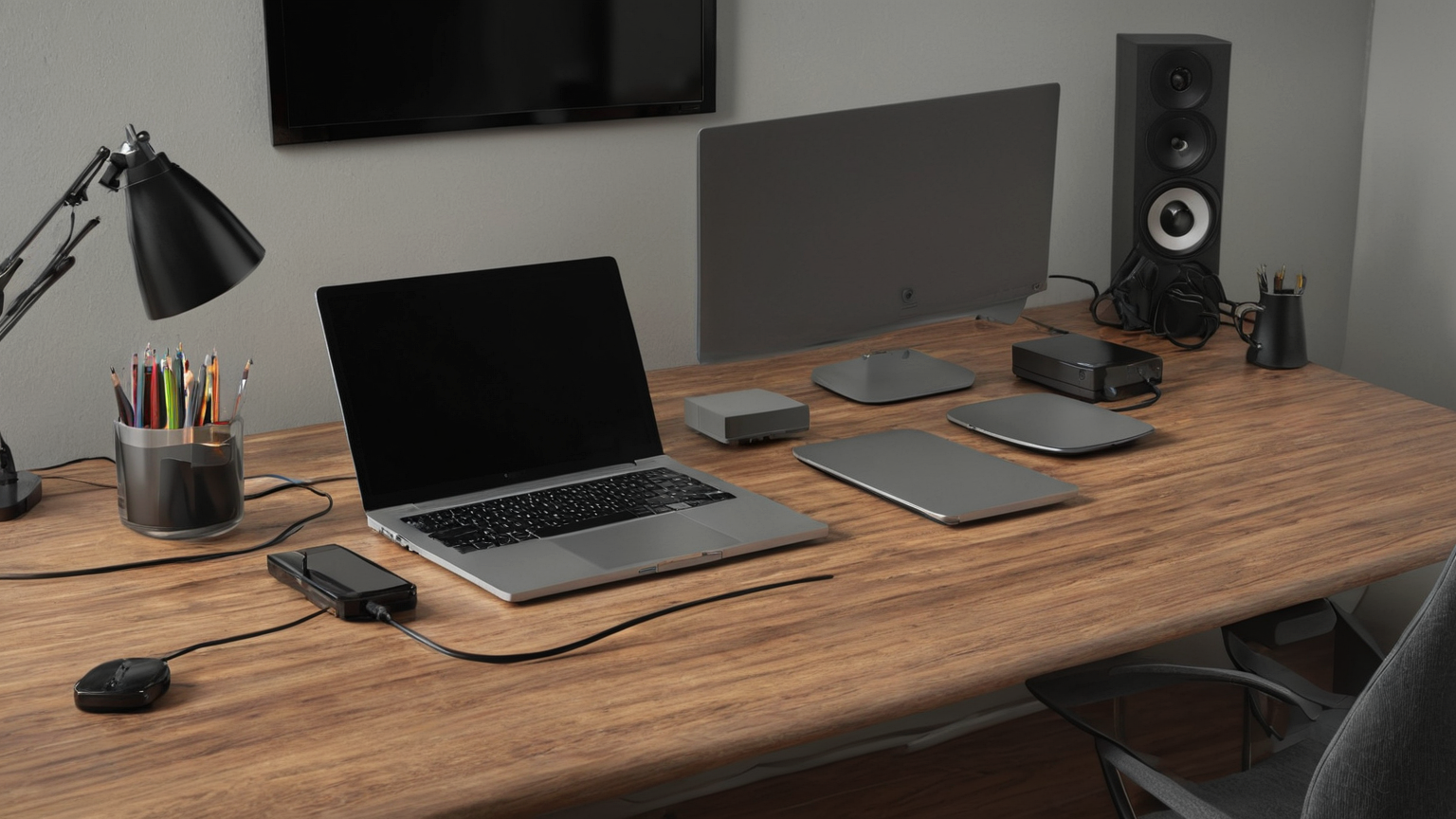
A smart power strip plan starts with a device map. List the monitor, speakers, printer, chargers, lamp, dock, desktop, router, external drive, and any medical or security equipment. Then mark what can fully lose power, what should sleep, and what must stay on.
2. Group devices by shutdown consequence
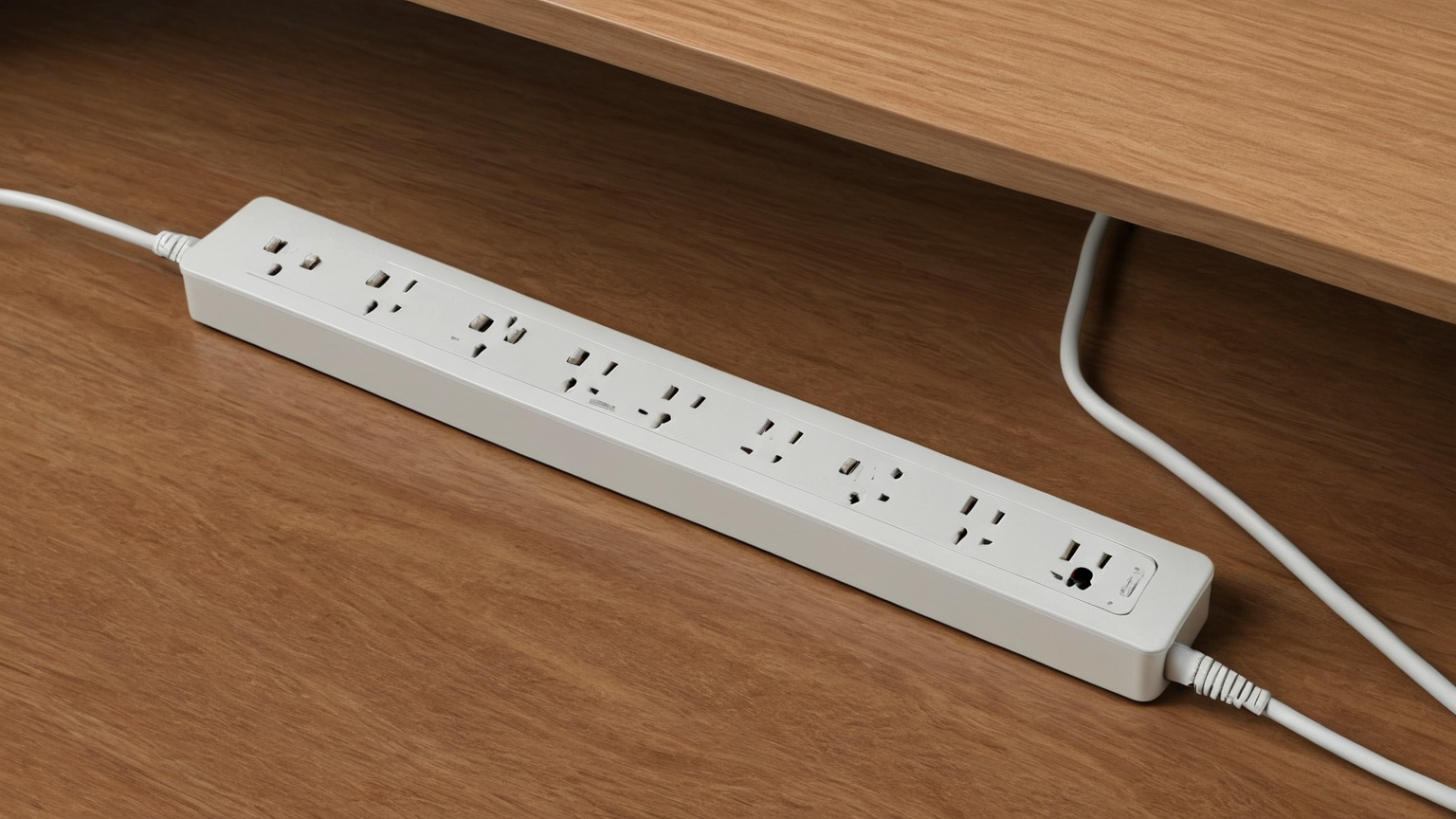
Group devices by consequence, not by where the plugs happen to be. A monitor and speakers may belong on a switched outlet; a router, backup drive, or device doing updates may not. Test the setup for one normal workday before assuming the routine is safe.
3. Keep electrical safety ahead of savings
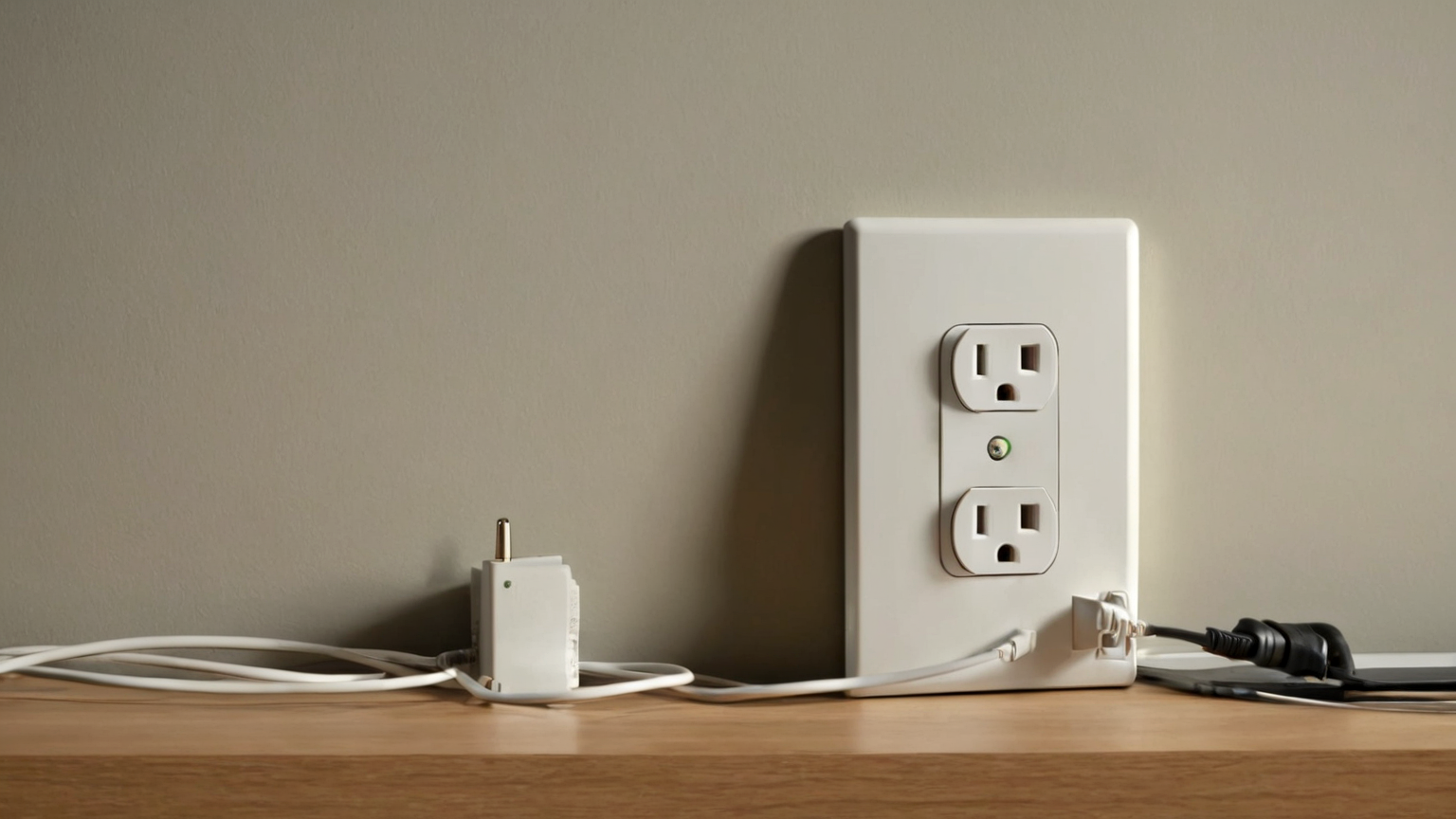
Electrical safety comes before standby savings. Do not daisy-chain strips, overload outlets, pinch cords under furniture, or hide heat-producing equipment where it cannot ventilate. If a cord, outlet, plug, or breaker behavior seems abnormal, stop and use qualified electrical guidance.
4. Create an evening shutdown habit
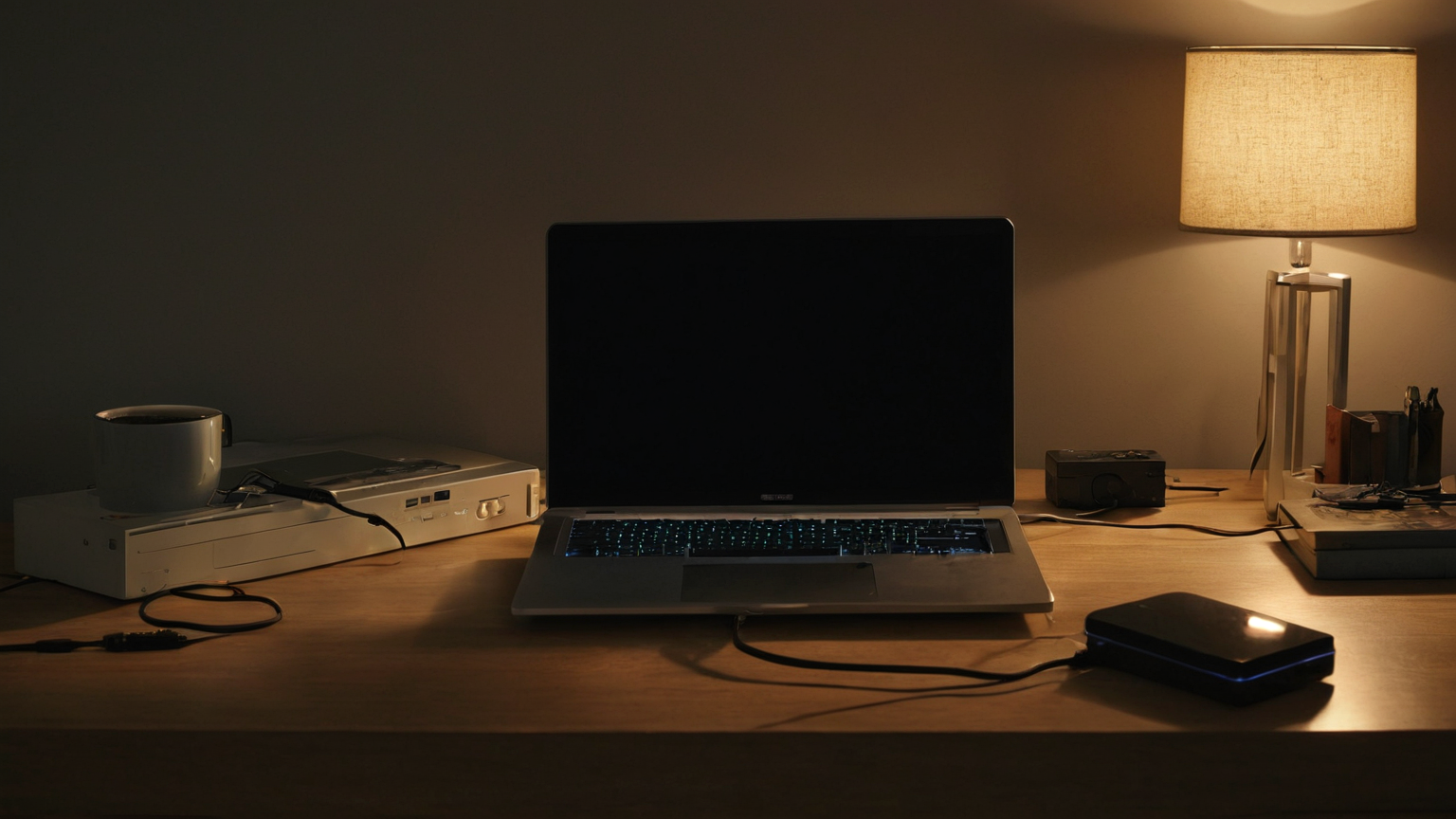
The energy habit should be simple enough to repeat: close work, save files, shut down or sleep the right devices, press the accessible switch, and leave required equipment online. Put the strip where it can be reached without crawling under furniture or pulling on cords.

5. Review the setup when equipment changes
This post supports AdSense readiness because it gives practical, non-affiliate, source-backed guidance with caveats. It avoids promising universal savings, avoids unsafe wiring shortcuts, and keeps the important checklist as readable page text.
Step-by-step checklist
- Check the current source, alert, label, manual, condition, or symptom before starting.
- Prepare the physical setup so the safer choice is easier than the shortcut.
- Use the decision table when a warning appears; downgrade or stop before risk stacks.
- Keep warnings and procedures as selectable text instead of text embedded inside AI images.
- Record one improvement for the next repeat so the page remains useful-content first.
Practical examples
- Low-risk repeat: conditions are normal, the setup is ready, and the action can be completed without rushing.
- Downgrade: one warning sign appears; choose the smaller safer version and preserve the habit.
- Stop/reset: the warning affects safety, health, contamination, visibility, or electrical risk.
- Ask for help: the situation exceeds a household checklist or current official guidance says to stop.
FAQ
Is this current for June 2026? Yes. The article was checked on 2026-06-25, but live alerts, recalls, manuals, and qualified advice still take priority.
Why are the images not used for instructions? GTI13 images are illustrative only. Checklists, warnings, and comparisons are written as accessible body text.
Does this page contain affiliate recommendations? No. The article is designed to preserve helpful-content quality, trust, and AdSense readiness rather than push products.