Induction Cooktop Summer Kitchen Heat and Energy Plan
A practical guide to using induction cooking to reduce summer kitchen heat, manage ventilation, choose cookware, and avoid electrical or indoor-air shortcuts.
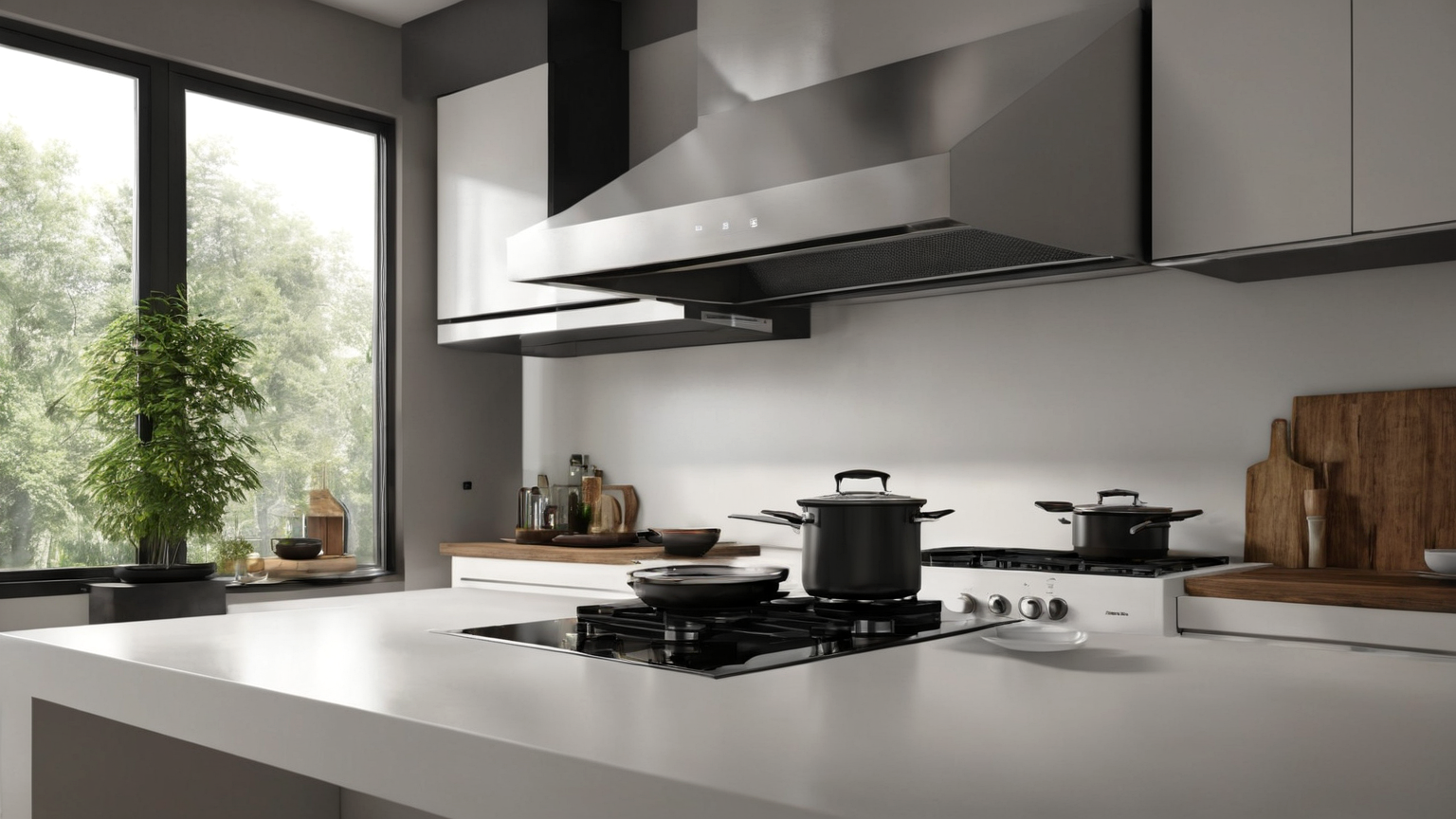
Cooking can fight your cooling plan during a heat wave. Induction cooking can reduce wasted heat at the pan, but the real savings depend on cookware, meal timing, ventilation, batch cooking, and safe electrical setup. This guide was checked on 2026-06-11 against DOE, ENERGY STAR, EPA, CPSC, CDC, and NWS resources. It is not electrical advice; follow appliance manuals, lease rules, circuit limits, and qualified professional guidance.
Quick decision table
| Situation | Safer choice | Mistake to avoid |
|---|---|---|
| Compatible cookware and short meal | Induction can reduce wasted heat | Buying a gadget without checking pans |
| Heat alert afternoon | Cook earlier or batch prep | Running long simmer during peak cooling load |
| Portable unit cord path is awkward | Use only safe manual-approved setup | Daisy-chaining or creating trip hazards |
| Kitchen feels humid or smoky | Use ventilation and lids | Treating cool air as clean air |
1. Use induction for the jobs where it actually helps
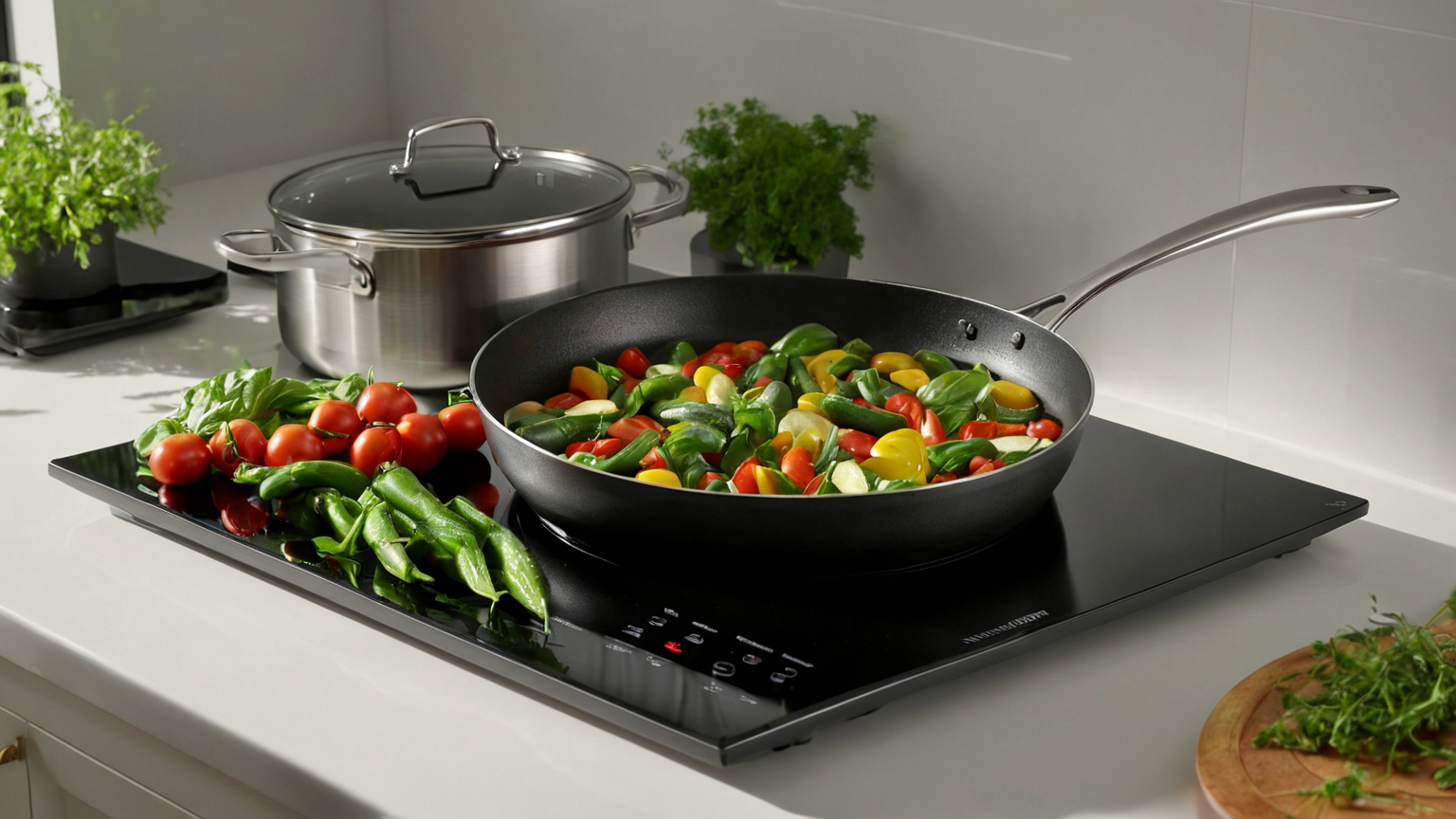
Induction is strongest when compatible cookware sits flat, the batch size matches the burner, and the task benefits from fast response. It is not a magic fix for every summer meal. Long oven bakes, uncovered simmering, and poor ventilation can still heat the room.
2. Pair cooking choices with the cooling schedule
Cook earlier, use lids, batch prep, and choose shorter methods during heat waves. Keep curtains, cross-ventilation, and cooling zones in mind. The goal is to reduce both appliance energy and the air-conditioning penalty caused by kitchen heat.
3. Check cookware and controls without unsafe shortcuts
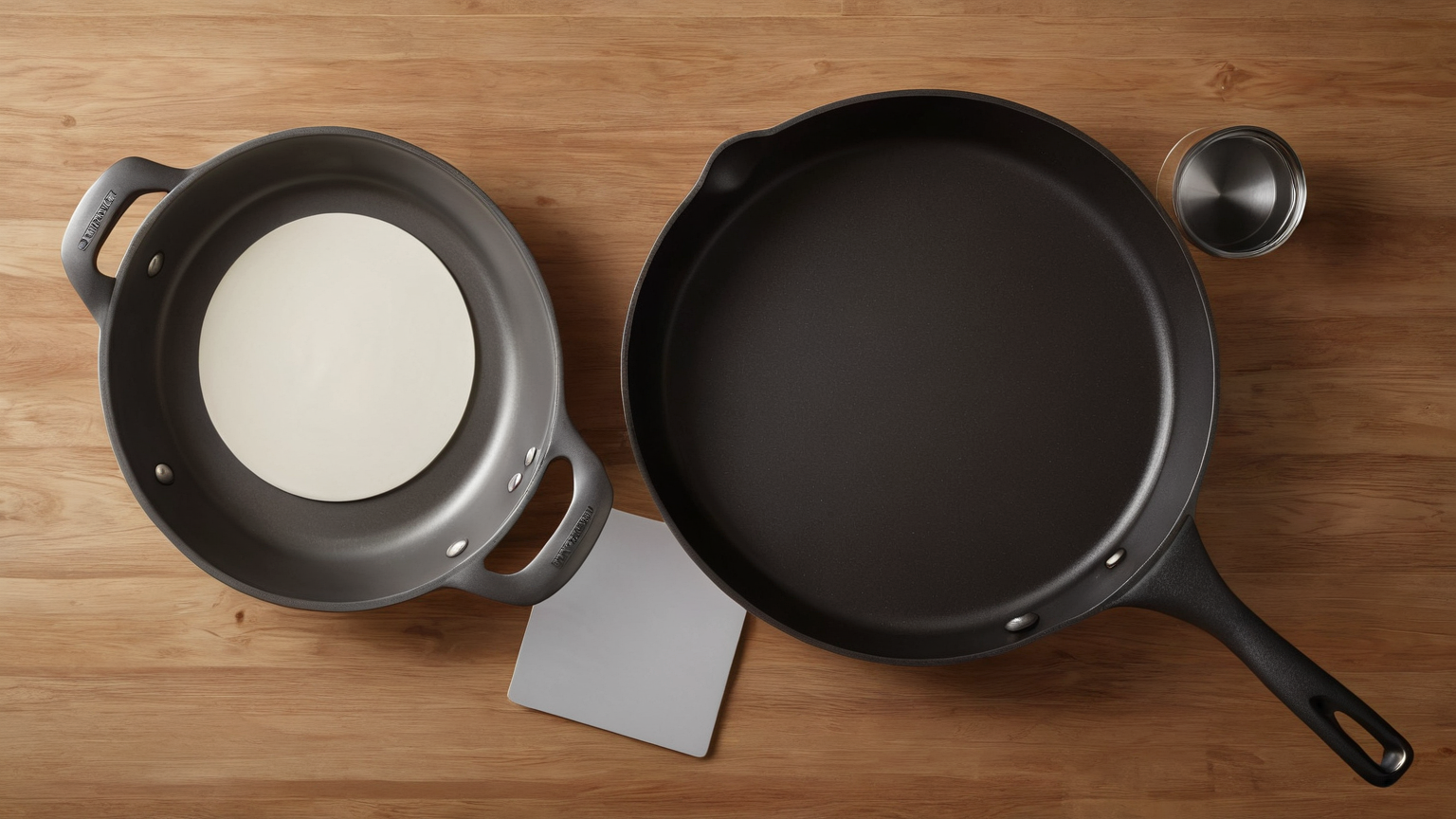
Use compatible pans, stable surfaces, clear cord paths for portable units, and manufacturer instructions. Do not daisy-chain high-draw appliances or place fans where they can blow flames, steam, or cords into unsafe positions.
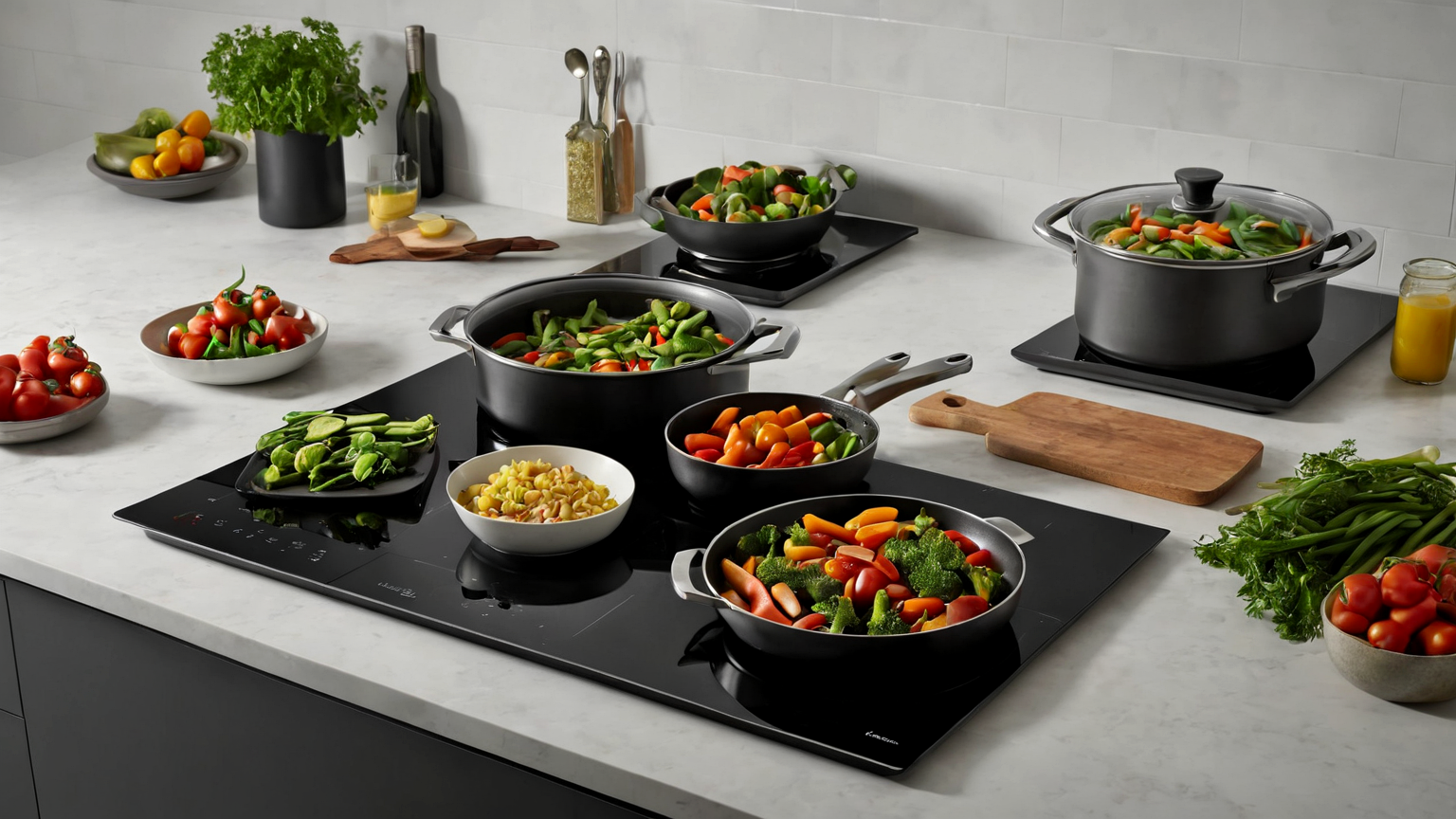
4. Ventilate for moisture and particles, not just odor
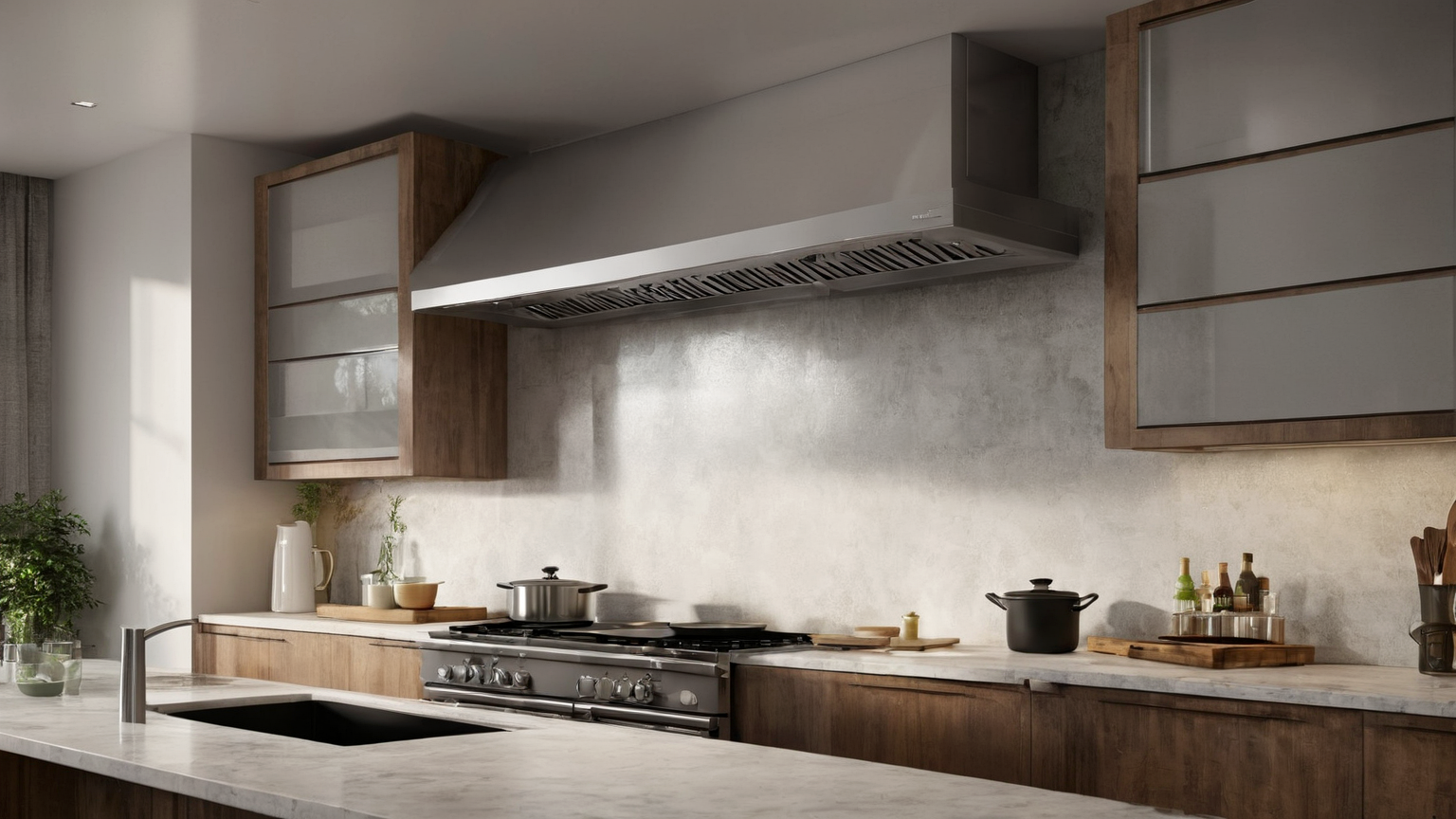
Even efficient cooking adds moisture and aerosols. Use a range hood or ventilation strategy appropriate for the home, and avoid assuming that a cooler-feeling kitchen is automatically a cleaner-air kitchen.

5. Keep claims modest and useful
The article avoids exaggerated savings numbers because rates, cookware, recipes, and cooling loads vary. It supports AdSense readiness with transparent caveats, official sources, and practical decisions rather than product hype.
Operating checklist
- Check the current official source or manual before acting.
- Confirm today’s physical conditions: weather, room, vehicle, food, equipment, people, and timing.
- Use the conservative option when two risk factors overlap.
- Keep warnings and procedures as readable page text, not AI-generated image text.
- Review what failed after the event so the next routine is safer and more useful.
FAQ
Is this current for June 2026? Yes. It was checked during this 2026-06-11 workflow against the listed official or authoritative sources; current alerts, manuals, labels, and qualified advice still take priority.
Does this replace professional advice? No. It is a practical planning aid. Medical, emergency, mechanical, food-safety, electrical, and child-passenger decisions may require qualified help.
Why no affiliate product boxes? This post is intentionally non-commercial. The AdSense-readiness goal is trust: helpful structure, source transparency, clear caveats, and no thin filler.