Clothesline Air-Drying Laundry Humidity and Energy Plan
A practical plan for line-drying laundry while managing indoor humidity, ventilation, fabric care, weather timing, and real energy savings.
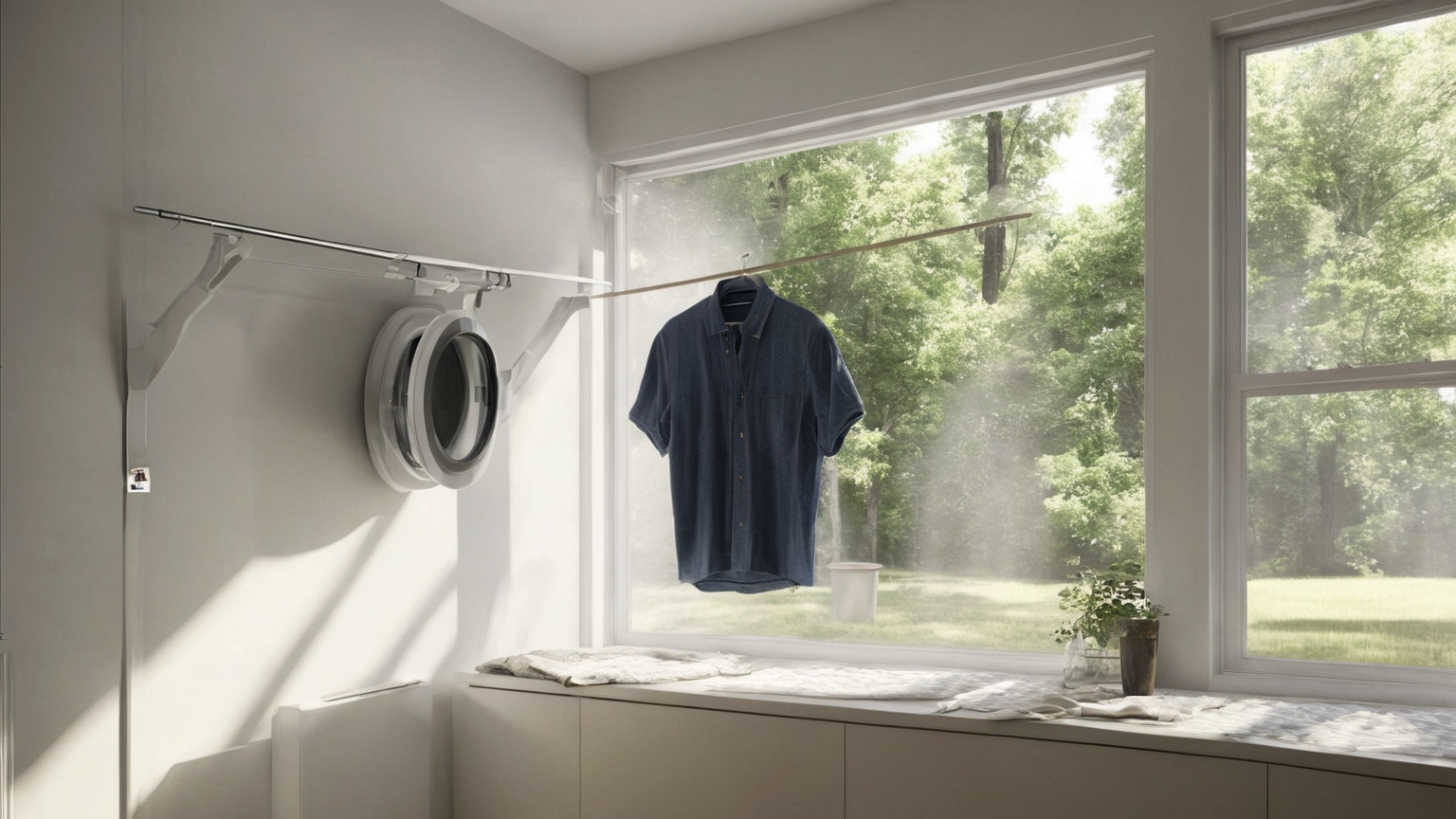
Line drying can save dryer energy and reduce fabric wear, but it is not automatically better in every room or season. Wet laundry releases moisture into the air; in a tight apartment, basement, rainy week, or already-humid home, that moisture can create comfort and indoor-air-quality problems. This guide was checked on 2026-06-17 against DOE, ENERGY STAR, EPA, and CDC mold resources. It is not electrical, landlord, or medical advice; follow appliance manuals, lease rules, local humidity conditions, and professional remediation guidance when needed.
Decision table
| Situation | Safer choice | Mistake to avoid |
|---|---|---|
| Dry sunny day with safe outdoor space | Use outdoor line and bring items in promptly | Leaving laundry out through dew or smoke |
| Small humid room | Reduce load size and add ventilation or dehumidification | Filling the room with wet fabric overnight |
| Bulky towels stay damp | Use hybrid drying or dryer finish | Calling slow-damp laundry sustainable |
| Allergy or smoke alert | Dry indoors with filtration/ventilation strategy | Collecting irritants outdoors |
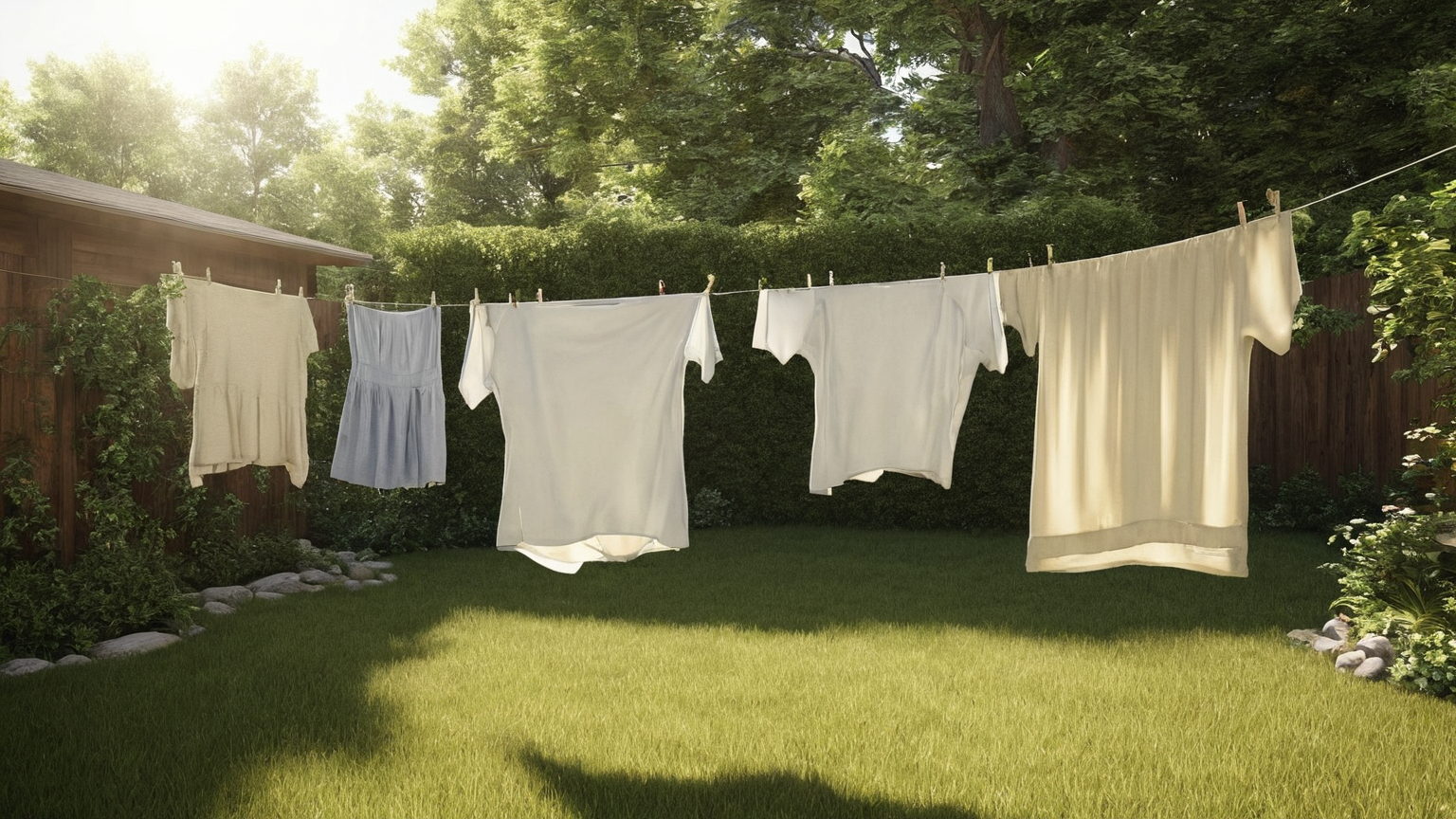
1. Choose outdoor, semi-outdoor, or indoor drying deliberately
Outdoor line drying usually moves moisture away from the home, but pollen, smoke, rain, shade, and local rules matter. Indoor drying is convenient but needs airflow, space, and humidity awareness. Pick the location based on today’s weather and the home’s ventilation, not a one-size sustainability claim.

Practical rule: write the stop condition before you begin. If the real situation crosses that line, choose the lower- risk option even when it feels inefficient. That habit is what turns a guide into a usable household, training, driving, or kitchen system.
2. Control moisture before it becomes a mold problem
Spin laundry well, avoid overloading the washer, separate heavy towels from quick-dry items, and leave space between garments. If the room already feels damp, use ventilation or a dehumidifier by its manual, and do not fill a small closed room with wet fabric overnight. Saving electricity is not helpful if it creates moisture damage.

Practical rule: write the stop condition before you begin. If the real situation crosses that line, choose the lower- risk option even when it feels inefficient. That habit is what turns a guide into a usable household, training, driving, or kitchen system.
3. Use line drying where it beats the dryer
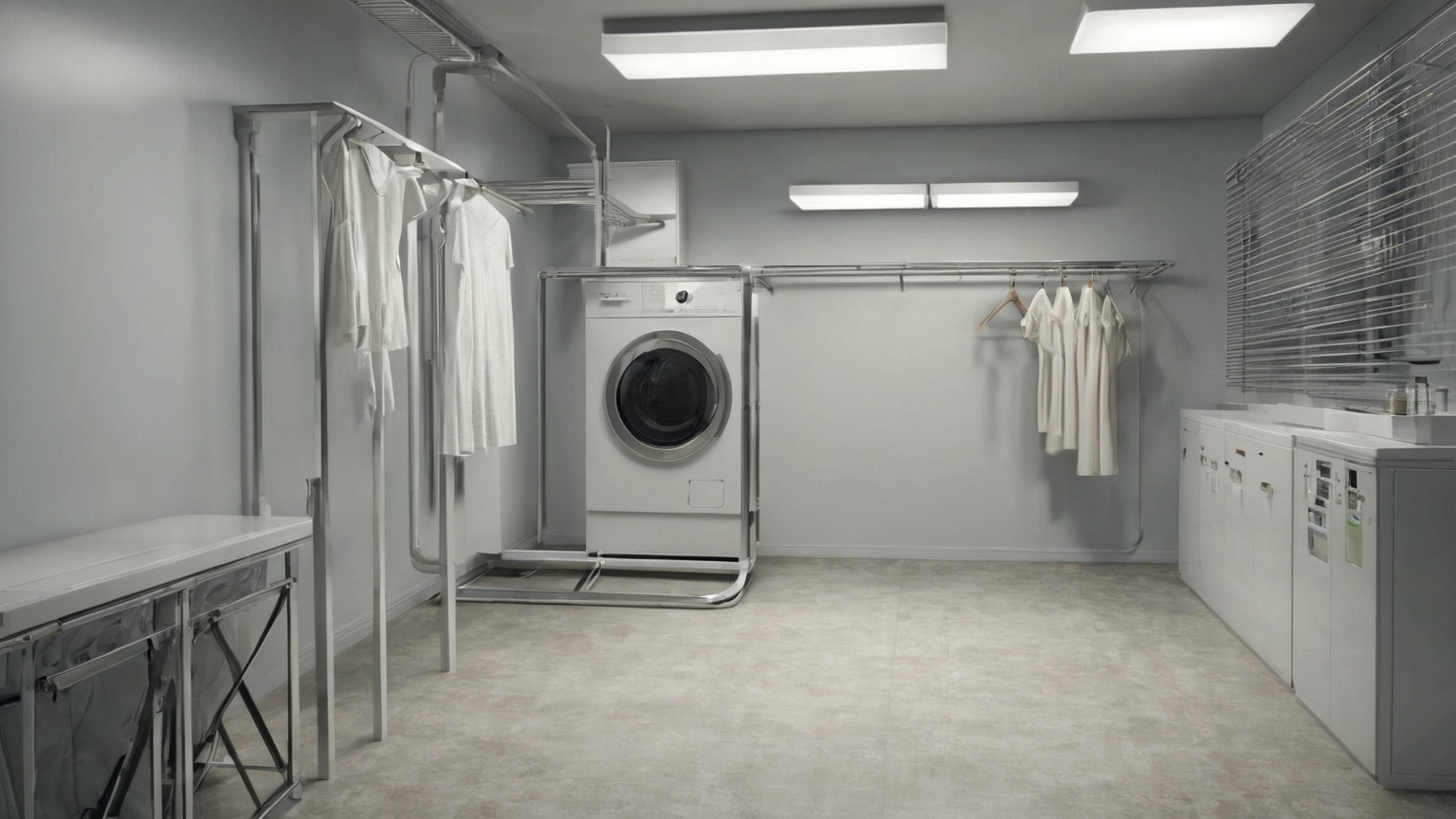
Air drying is excellent for delicates, athletic synthetics that dislike heat, and lightly damp items. The dryer may still be the lower-risk option during humid weather, for bulky towels that stay damp too long, or when the household needs fast sanitation guidance from product labels. A hybrid routine often wins: line dry most items, machine dry towels or finish with a short tumble.
Practical rule: write the stop condition before you begin. If the real situation crosses that line, choose the lower- risk option even when it feels inefficient. That habit is what turns a guide into a usable household, training, driving, or kitchen system.
4. Protect fabric, people, and walkways
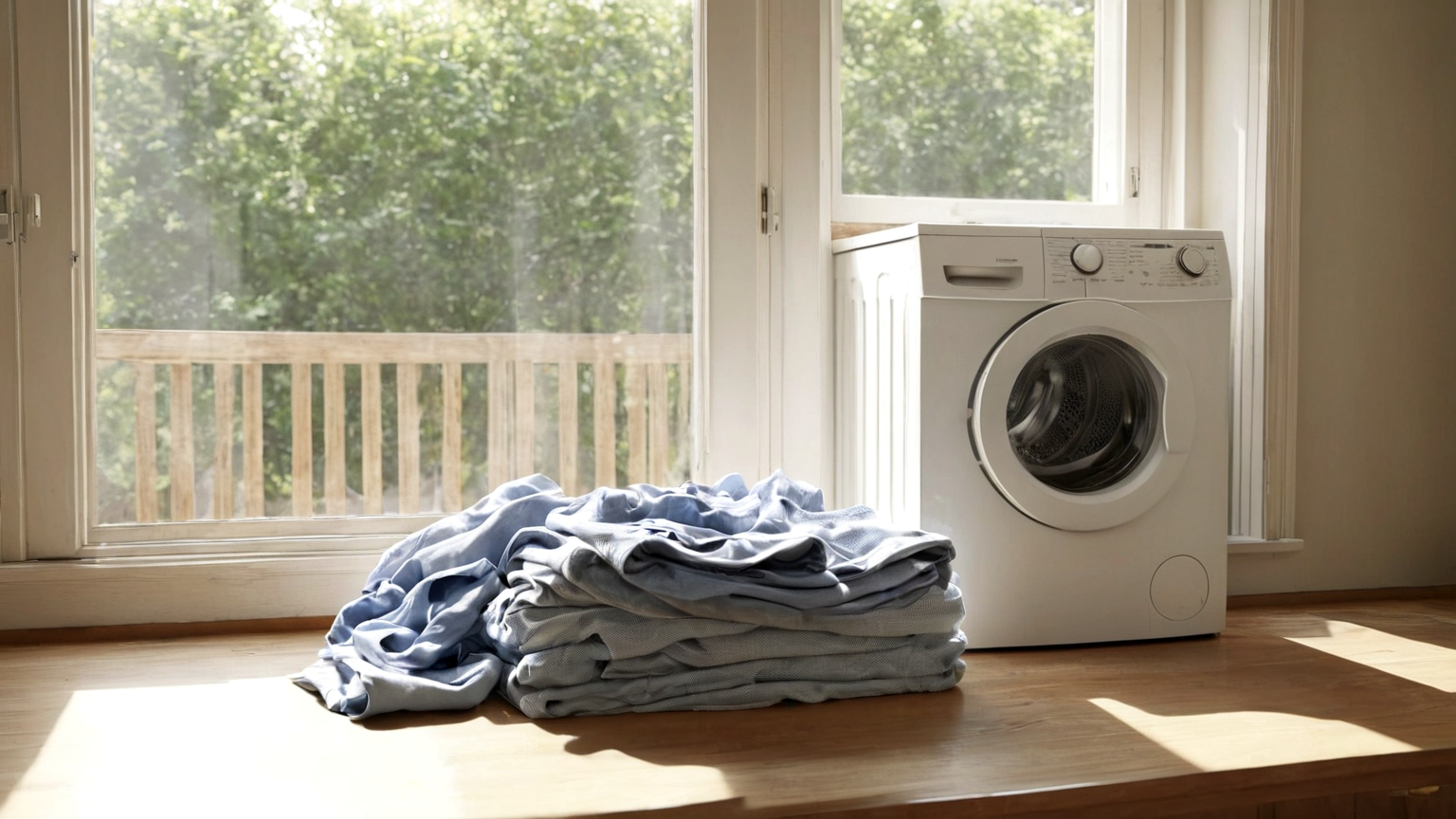
Keep cords and racks out of walking paths, avoid blocking vents, and place dripping items where water will not damage floors. Shake garments, use enough clothespins, and keep heavy items balanced. For outdoor lines, consider pollen and air-quality alerts so clean laundry does not become an irritant source.
Practical rule: write the stop condition before you begin. If the real situation crosses that line, choose the lower- risk option even when it feels inefficient. That habit is what turns a guide into a usable household, training, driving, or kitchen system.
5. Track real savings without exaggeration
Count dryer loads avoided, but also note any dehumidifier time, extra heating or cooling impact, and household inconvenience. Helpful content should give readers a decision framework for their climate and home, not a moral rule that ignores humidity, rentals, allergies, or safety.
Practical rule: write the stop condition before you begin. If the real situation crosses that line, choose the lower- risk option even when it feels inefficient. That habit is what turns a guide into a usable household, training, driving, or kitchen system.
Seven-point implementation checklist
- Check the current official source or alert before relying on memory.
- Set up the physical space before the risky step starts.
- Keep tables, warnings, and step logic in body text rather than unreadable image text.
- Use smaller portions, shorter sessions, slower speeds, or hybrid routines when conditions are uncertain.
- Document the exception so the next attempt improves instead of repeating a mistake.
- Do not add affiliate recommendations where safety or trust is the main reader need.
- Revisit the plan after the season, trip, event, or training block changes.
Source notes and limitations
The linked sources are used to set conservative decision boundaries, not to create medical, legal, electrical, food- service, or mechanical instructions. Local alerts, product manuals, recalls, clinicians, emergency responders, and qualified professionals can override this general planning guide.
FAQ
Why is this a 2026 guide?
The post was prepared during the 2026-06-17 publishing run and its source URLs were checked as part of the workflow. Readers should still open current official pages when conditions are changing.
Why are the visuals plain?
The images are GTI13 raster illustrations. They avoid readable labels, fake dashboards, medical text, food-safety hazards, or appliance-control claims so the factual guidance remains in the article body.
Does this page push products?
No. It supports AdSense readiness through helpful guidance, source transparency, internal navigation, and practical limitations rather than affiliate filler.