Ceiling Fan Summer Cooling Direction and Energy Plan
A practical home-energy guide to ceiling fan direction, thermostat coordination, room-by-room comfort, safety checks, and realistic summer savings.
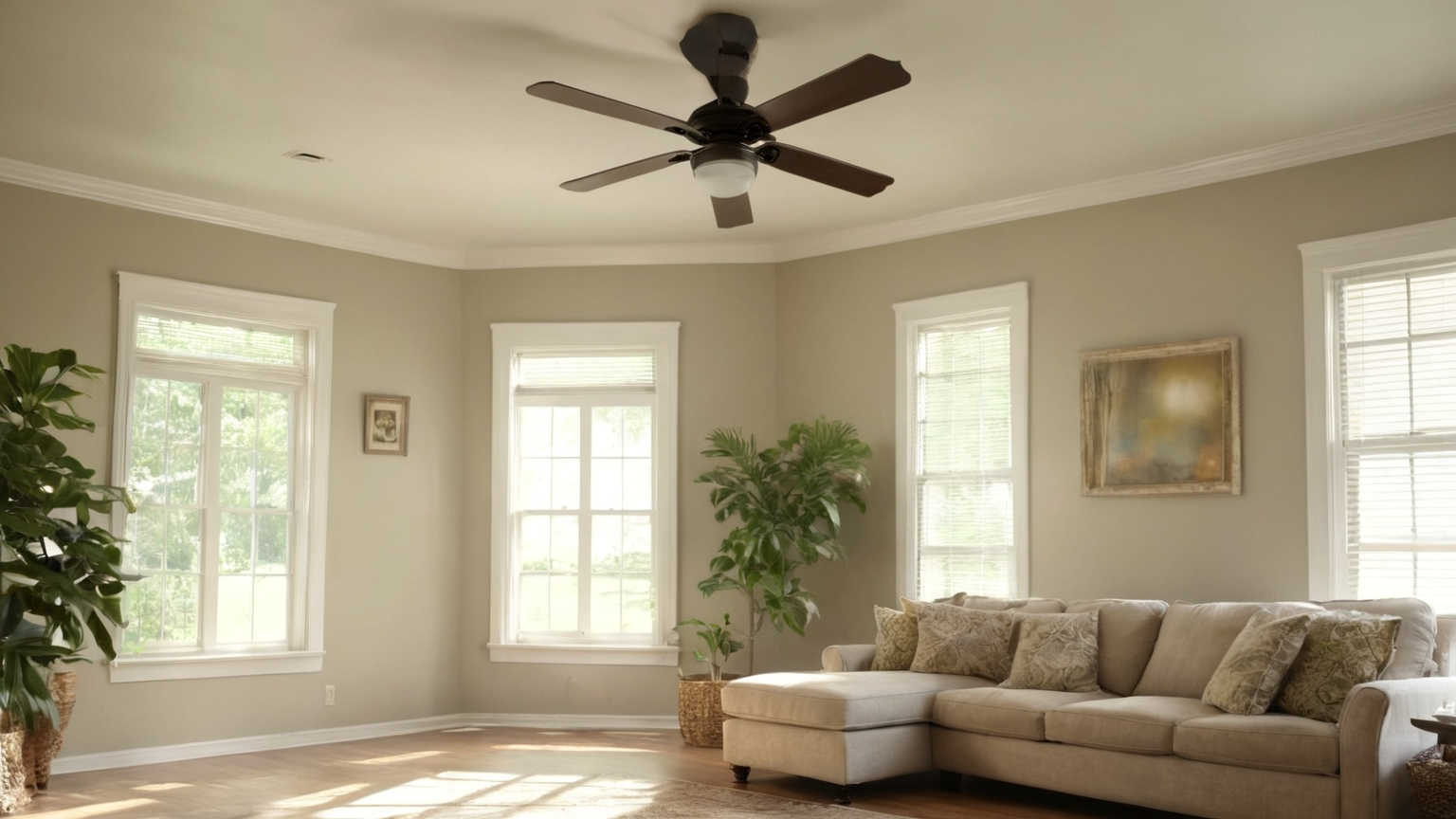
A ceiling fan does not cool a room the way an air conditioner does; it cools people by moving air across skin. That difference matters for energy savings and comfort. This 2026 plan explains how to use summer fan direction, occupancy habits, thermostat coordination, and safety checks without claiming unrealistic savings or leaving fans running in empty rooms.
Decision table
| Situation | Safer choice | Mistake to avoid |
|---|---|---|
| Room is occupied and feels warm | Use fan for comfort and consider a modest thermostat adjustment | Leaving fans on in empty rooms for savings |
| Fan wobbles or makes noise | Turn off and inspect safely or hire qualified help | Balancing or wiring while the fan is running |
| Humidity is high | Use ventilation/dehumidification strategy with cooling plan | Assuming airflow removes moisture by itself |
| Thermostat changes cause discomfort | Adjust gradually and track room response | Making large changes without checking occupants |
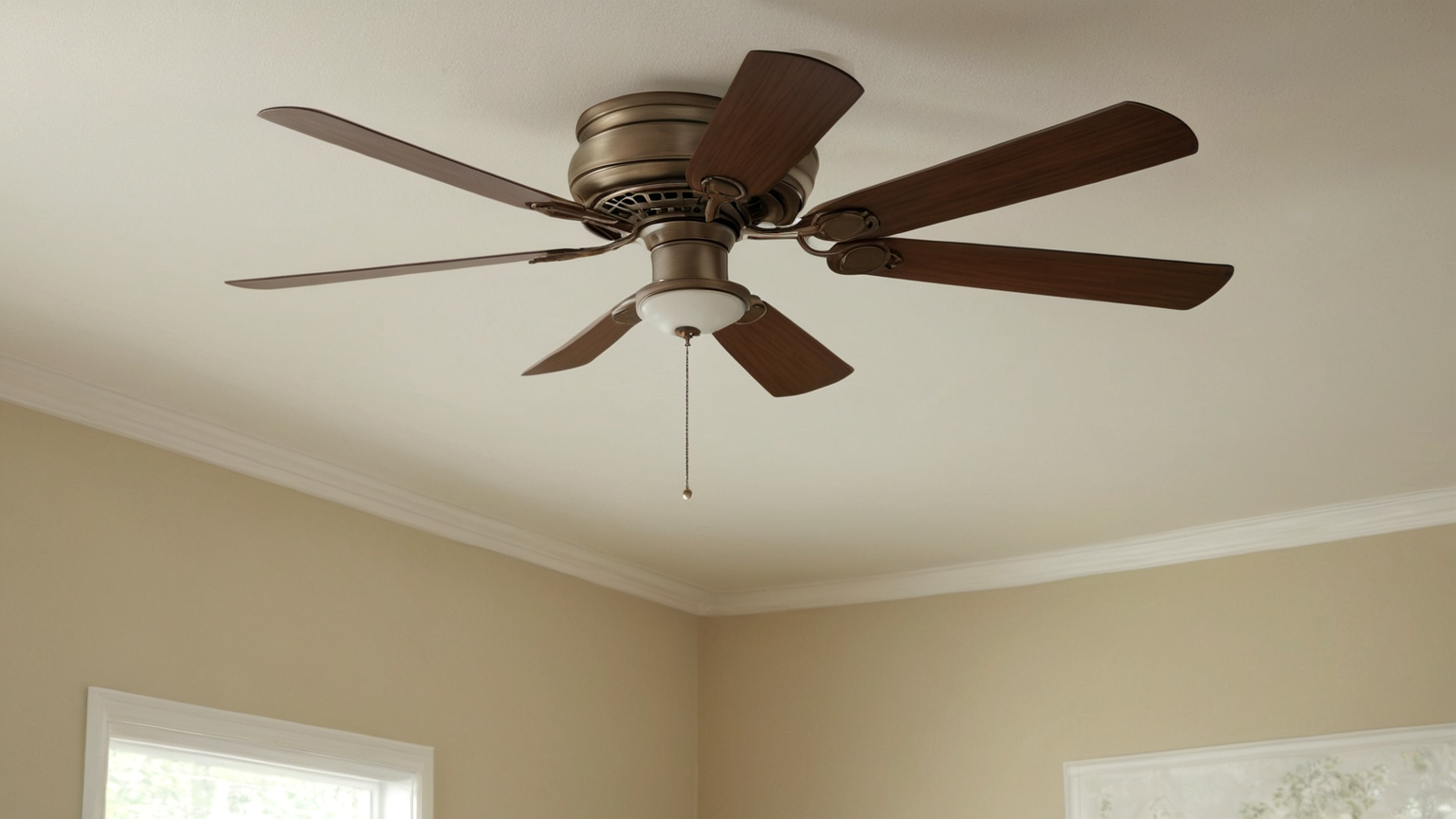
1. Set direction for the comfort effect
Most ceiling fans are used counterclockwise in summer to create a downward breeze, but the control style varies by fan. Stand safely away from the blades, use the manufacturer control, and choose the setting that creates a comfortable downward airflow in the occupied zone. Do not climb, wire, or adjust hardware while the fan is moving.
Practical rule: write the stop condition before you begin. If the real situation crosses that line, choose the lower- risk option even when it feels inefficient. That habit is what turns a guide into a usable household, training, driving, or kitchen system.
2. Use fans only where people benefit
Fans help occupants feel cooler; they do not lower the actual air temperature. Turn them off in empty rooms unless there is a specific ventilation reason. This habit preserves the main energy logic: use fan comfort to reduce air-conditioning demand when people are present, not as another always-on appliance.

Practical rule: write the stop condition before you begin. If the real situation crosses that line, choose the lower- risk option even when it feels inefficient. That habit is what turns a guide into a usable household, training, driving, or kitchen system.
3. Coordinate with the thermostat carefully
If the fan makes a room comfortable, try a small thermostat adjustment rather than a large jump. Track how the room feels at different times, especially bedrooms, upstairs rooms, and sunny spaces. People with heat sensitivity, infants, older adults, pets, or medical constraints may need a more conservative setting.
Practical rule: write the stop condition before you begin. If the real situation crosses that line, choose the lower- risk option even when it feels inefficient. That habit is what turns a guide into a usable household, training, driving, or kitchen system.
4. Do not ignore humidity and maintenance
Air movement can feel good while humidity remains high. Bathrooms, kitchens, basements, and laundry areas may need exhaust, dehumidification, or source control rather than just fan speed. Clean dust from blades with the fan off, check wobble, and use a qualified electrician for wiring or mounting concerns.
Practical rule: write the stop condition before you begin. If the real situation crosses that line, choose the lower- risk option even when it feels inefficient. That habit is what turns a guide into a usable household, training, driving, or kitchen system.
5. Build a room-by-room summer routine
The best fan plan is local: bedrooms at night, living areas during occupied hours, and shaded rooms during peak heat. Combine fans with curtains, cross-ventilation when outdoor air is favorable, and heat-producing appliance timing. Review the plan after a heat wave because comfort, energy price, and household schedules change.
Practical rule: write the stop condition before you begin. If the real situation crosses that line, choose the lower- risk option even when it feels inefficient. That habit is what turns a guide into a usable household, training, driving, or kitchen system.
Seven-point implementation checklist
- Check the current official source or alert before relying on memory.
- Set up the physical space before the risky step starts.
- Keep tables, warnings, and step logic in body text rather than unreadable image text.
- Use smaller portions, shorter sessions, slower speeds, or hybrid routines when conditions are uncertain.
- Document the exception so the next attempt improves instead of repeating a mistake.
- Do not add affiliate recommendations where safety or trust is the main reader need.
- Revisit the plan after the season, trip, event, or training block changes.
Source notes and limitations
The linked sources are used to set conservative decision boundaries, not to create medical, legal, electrical, food- service, or mechanical instructions. Local alerts, product manuals, recalls, clinicians, emergency responders, and qualified professionals can override this general planning guide.
FAQ
Why is this a 2026 guide?
The post was prepared during the 2026-06-17 publishing run and its source URLs were checked as part of the workflow. Readers should still open current official pages when conditions are changing.
Why are the visuals plain?
The images are GTI13 raster illustrations. They avoid readable labels, fake dashboards, medical text, food-safety hazards, or appliance-control claims so the factual guidance remains in the article body.
Does this page push products?
No. It supports AdSense readiness through helpful guidance, source transparency, internal navigation, and practical limitations rather than affiliate filler.