Refrigerator Coil Cleaning Energy Savings Plan
A practical home-energy plan for refrigerator coil access, cleaning frequency, temperature checks, food safety, and when to call a technician.
Refrigerator Coil Cleaning Energy Savings Plan
As of 2026-06-28, this guide is written as a practical decision aid, not a shortcut around official guidance. The goal is to help a normal household choose safer defaults, notice failure points early, and avoid advice that sounds precise but is not supported by the cited public sources. Keep the page useful by starting with the situation you actually have today: equipment condition, weather, time away from home, lighting, fatigue, and who could be harmed if the plan is rushed.
Quick decision table
| Situation | Better first move | Why it matters | Stop or escalate when |
|---|---|---|---|
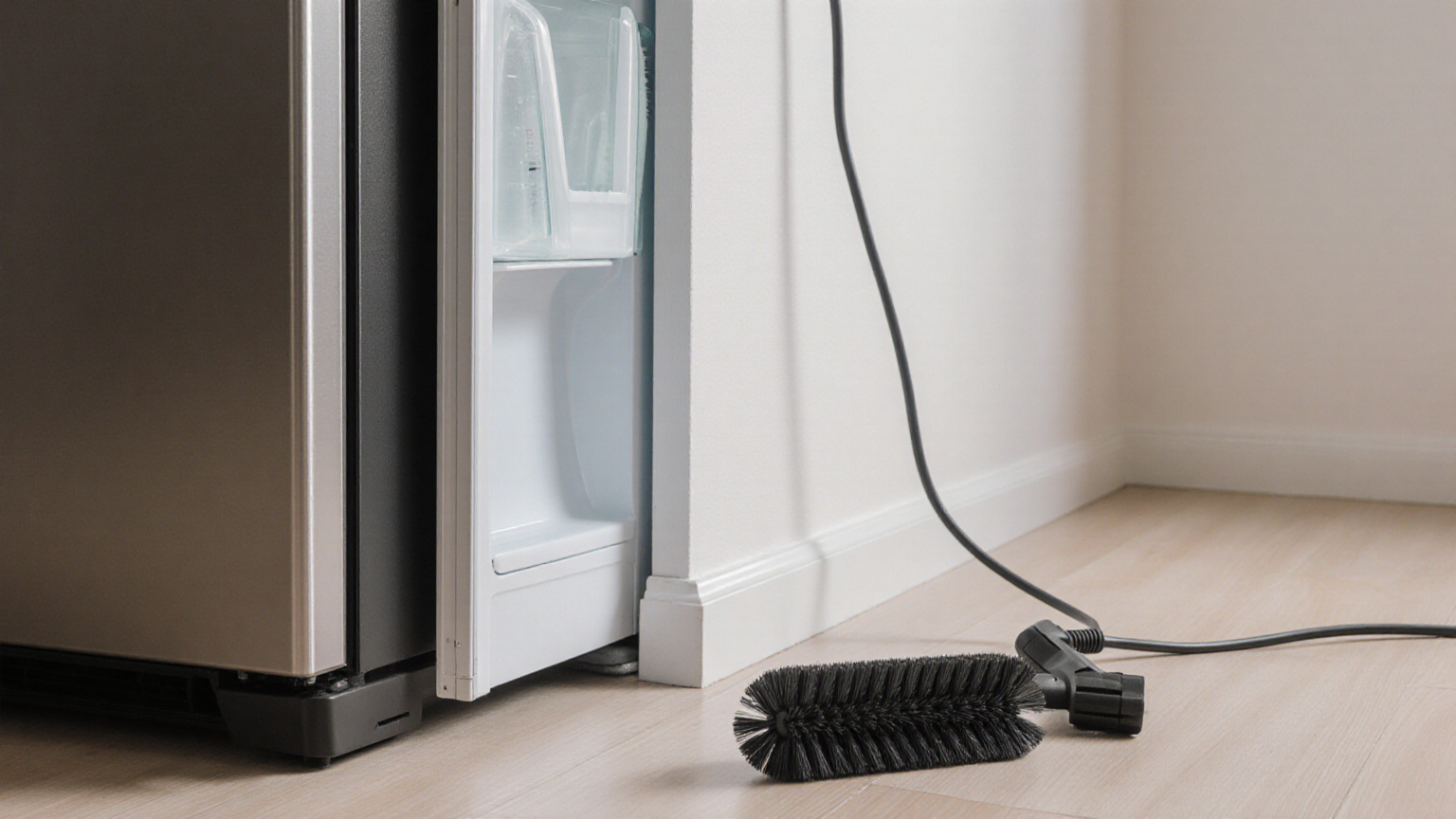
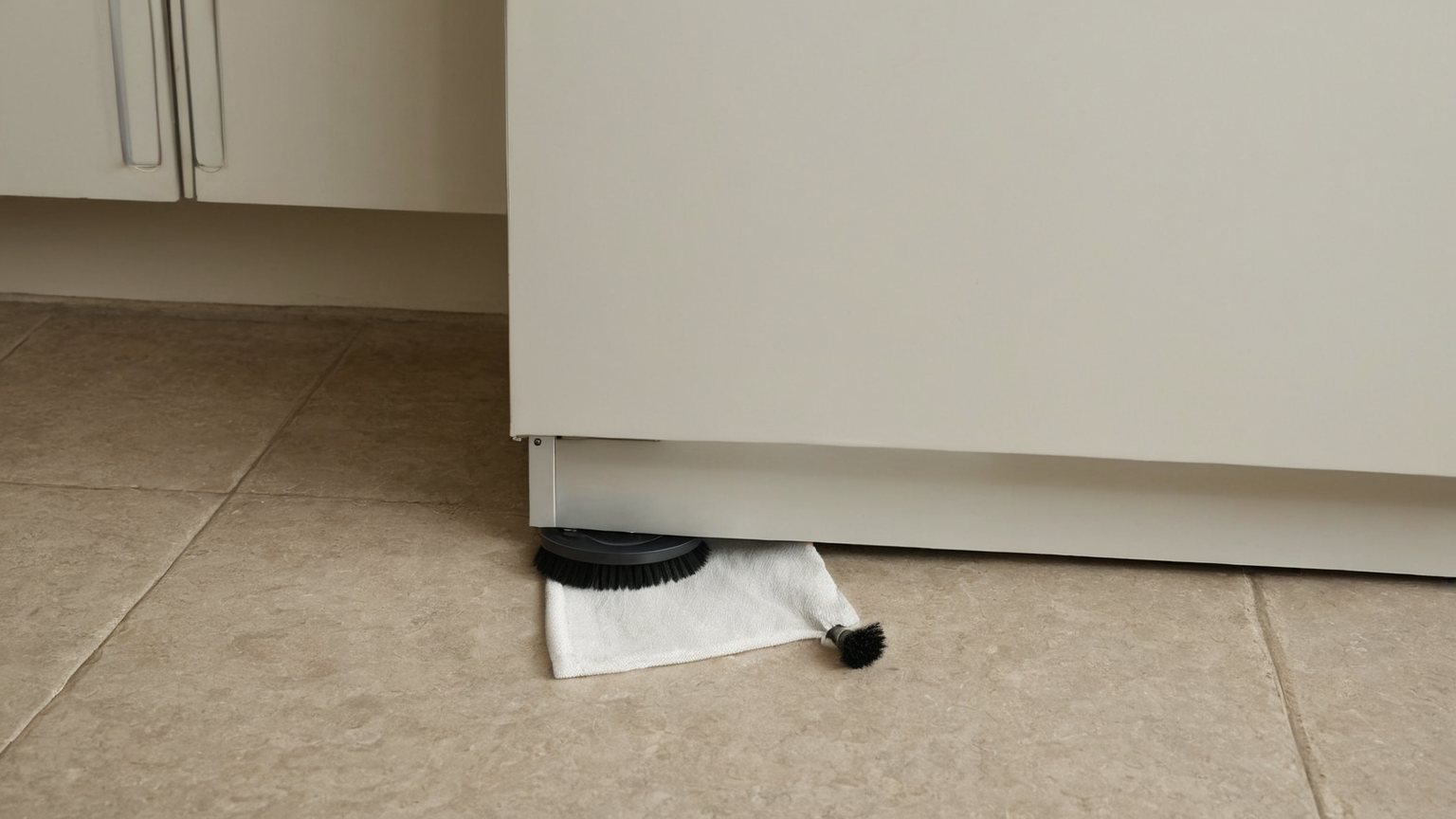
| Dusty back or toe grille | Clean with brush and vacuum after unplugging if manual allows | Airflow affects run time | You see damage, heat, sparks, or water |
| Warm food temps | Check appliance temperature before changing settings | Energy savings must not reduce food safety | Food is above safe cold range |
| Old inefficient unit | Compare maintenance with replacement timing | A repair may not beat an efficient model | Seals fail or compressor runs constantly |
Step-by-step routine
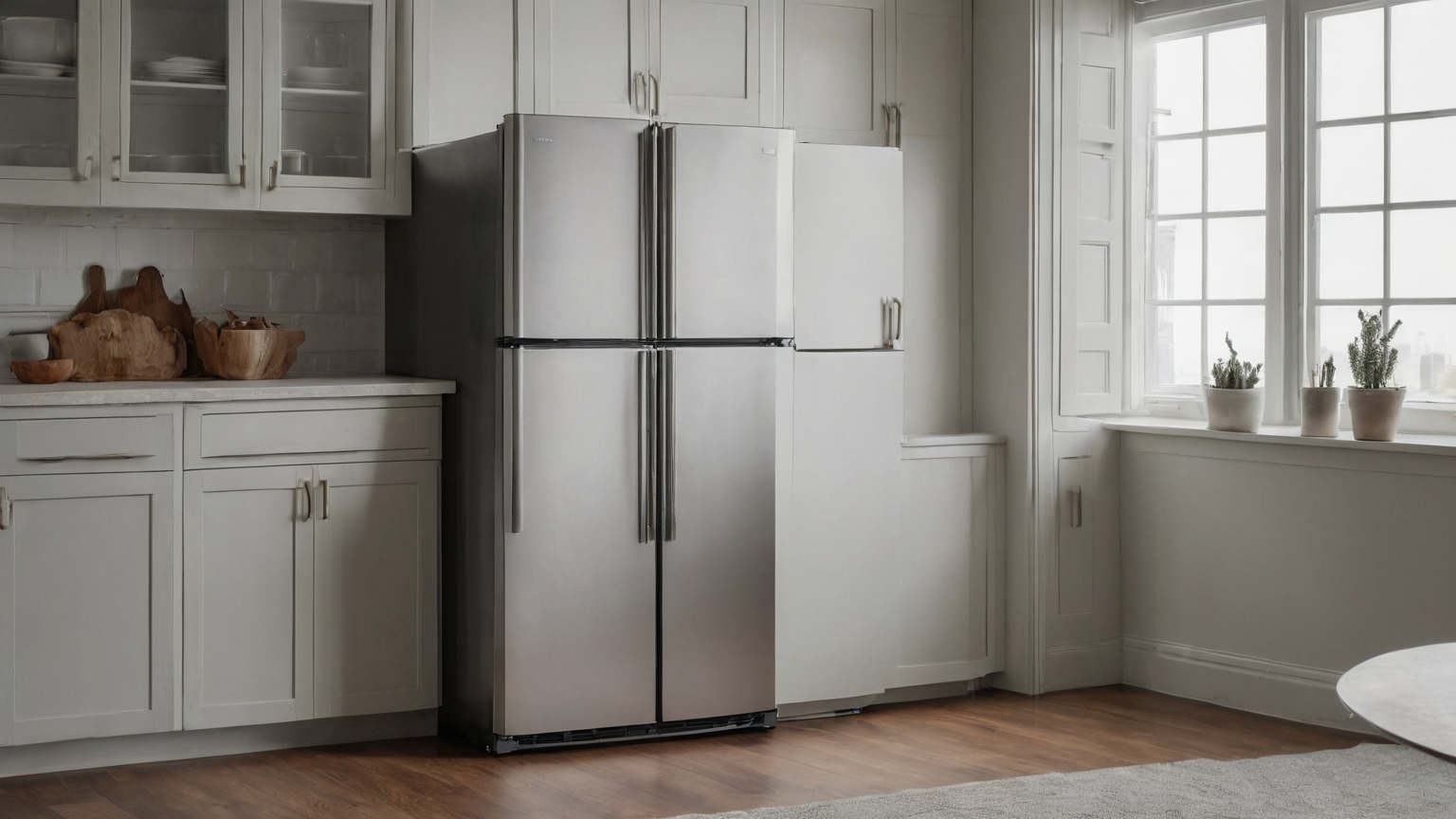
- Read the manual — Confirm where coils and panels are before moving the appliance.
- Unplug safely — Do not clean around moving fans or electrical parts while powered.
- Brush then vacuum — Loosen dust gently and vacuum debris without bending fins.
- Reset and monitor — Restore clearance, plug in, and check temperature over the next day.
Checklist before you start
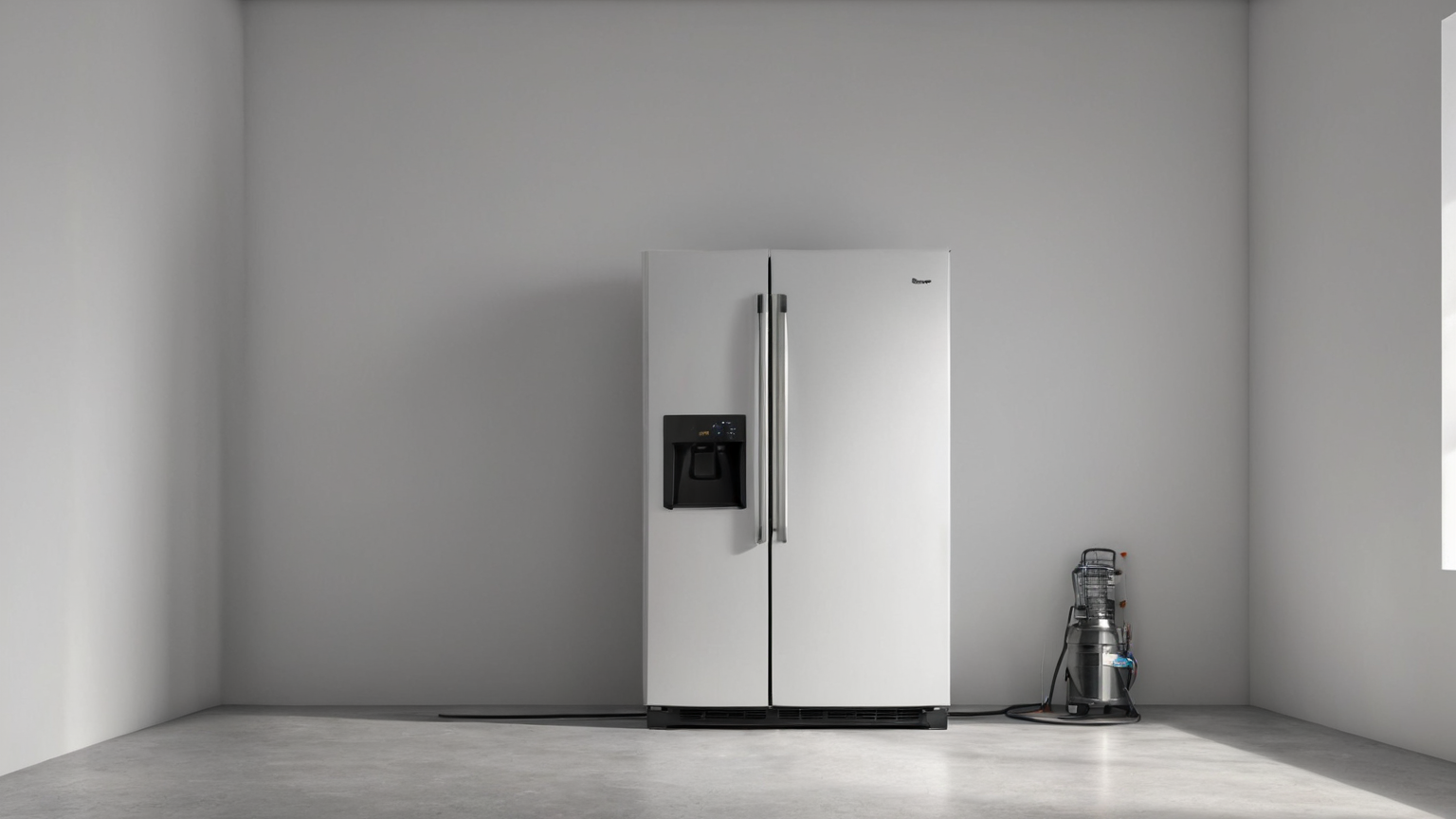
- Floor can support moving the refrigerator without tipping.
- A second adult is available for heavy movement if needed.
- Food will stay cold during short cleaning.
- No water is used near electrical parts.
- Door gaskets and clearance are checked before finishing.
Common mistakes this plan avoids
- Chasing exact savings: The useful win is lower strain and better maintenance, not a guaranteed bill number.
- Blocking airflow again: Pushing the refrigerator tight to the wall can undo the cleaning.
- Ignoring food safety: Energy savings never justify warm refrigerator temperatures.
Reader-ready summary
Coil cleaning is a low-cost maintenance habit when done safely: confirm access, unplug, remove dust, restore clearance, and monitor food temperature. If anything looks damaged, hot, wet, or electrically unsafe, stop and call a technician.
What to monitor after the first try
- Compressor run time sounds less constant after cleaning.
- Interior temperature remains safely cold.
- Dust returns faster if pets, lint, or kitchen grease are heavy.
When to pause
Stop before removing panels you cannot identify, handling exposed wiring, forcing the refrigerator to move, or continuing when food temperatures are unsafe.
FAQ
What is the smallest useful action? Start with the one check that changes risk today, then record what happened so the next decision is easier.
Why so many conservative steps? The sources agree that prevention is easier than rescuing a poor setup after heat, fatigue, contamination, glare, or wasted energy has already created a problem.