Pool Pump Timer Summer Electricity Plan
A practical home-energy guide for reviewing pool pump schedules, filtration needs, timer habits, and when to ask a pool professional.
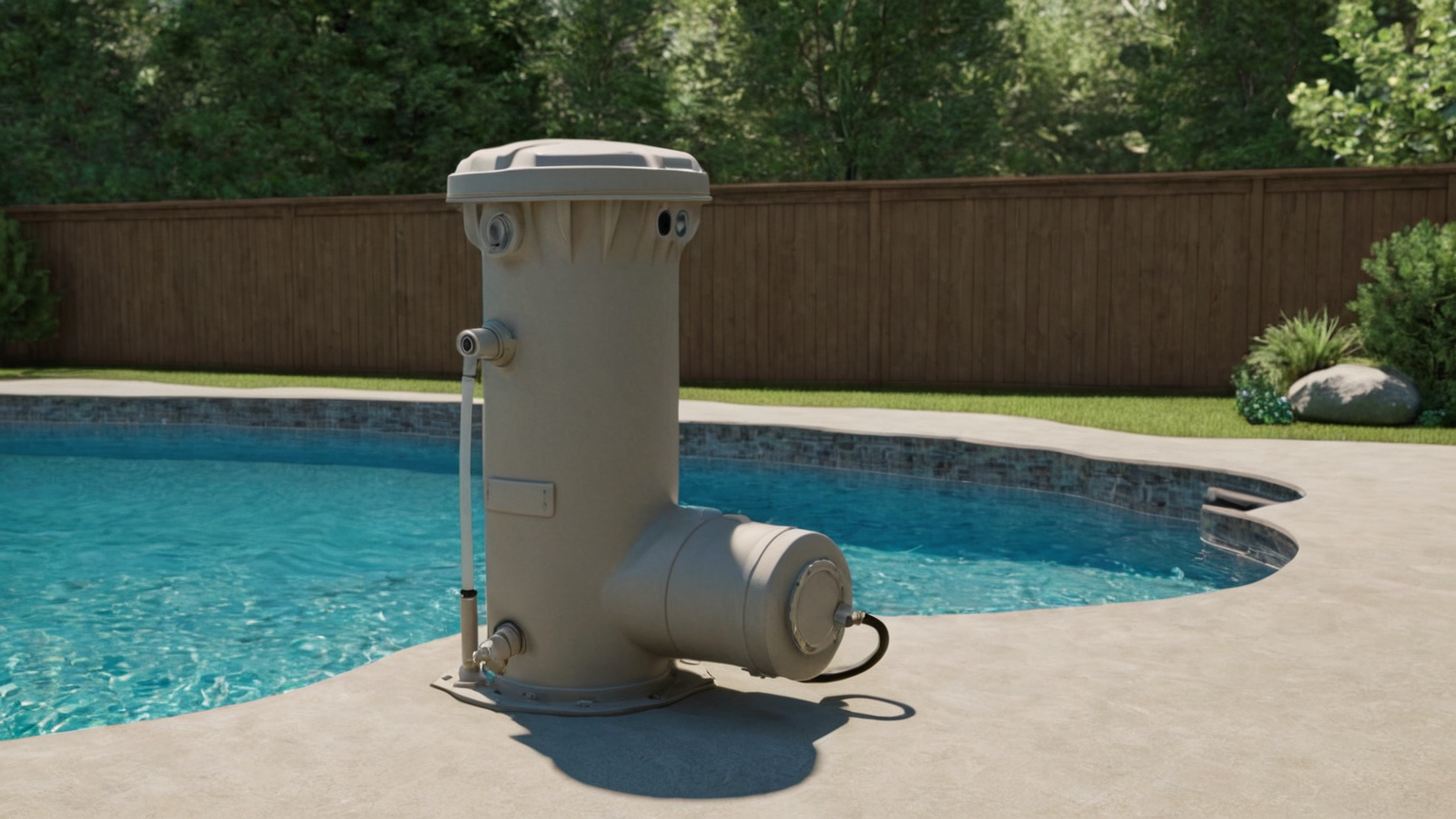
A pool pump can be one of the more noticeable summer electricity loads, but cutting run time blindly can create water-quality, equipment, or safety problems. The useful approach is to match pump scheduling to the actual pool, pump type, season, debris load, chemistry routine, and professional guidance. This guide was checked on 2026-06-24 against ENERGY STAR, DOE, EPA, CDC, and CPSC sources. It is not pool-service, electrical, public-pool, or health-code advice; follow equipment manuals, local rules, water test results, and qualified pool professionals.
Practical decision table
| Situation | Safer choice | Mistake to avoid |
|---|---|---|
| Pump runs by habit all day | Document current schedule and review options | Cutting time without water-quality checks |
| Water turns cloudy after changes | Restore safer circulation and diagnose cause | Blaming swimmers while ignoring filtration |
| Storm or heavy debris arrives | Temporarily adjust cleanup routine | Assuming the normal timer covers every condition |
| Electrical or leak concern appears | Stop unsafe tinkering and call qualified help | Opening panels or bypassing protections |
1. Start with the pump and pool you actually have
Single-speed, two-speed, and variable-speed pumps behave differently. Pool size, plumbing, filter condition, trees, swimmers, rain, and local climate all change the schedule. Record the current timer pattern before changing it so you can compare energy, clarity, and maintenance results instead of guessing.

Implementation note: decide the stop condition before the risky moment starts. If the real situation crosses that line, use the lower-risk option even when it feels inconvenient. That repeatable rule is what makes the article useful rather than just inspirational.
2. Avoid the false economy of dirty water
Lower electricity use is not a win if circulation becomes too weak to support sanitation, skimming, filtration, or equipment protection. Watch water clarity, pressure changes, baskets, filter maintenance, and test results. If the pool gets cloudy or chemistry becomes unstable, the schedule may be too aggressive or another maintenance issue may be present.

Implementation note: decide the stop condition before the risky moment starts. If the real situation crosses that line, use the lower-risk option even when it feels inconvenient. That repeatable rule is what makes the article useful rather than just inspirational.
3. Use timers as guardrails, not magic
A timer helps prevent accidental all-day operation, but it cannot know about storms, parties, algae, clogged filters, or repairs. Build a seasonal review habit: normal week, heavy-use week, storm cleanup, vacation, and closing or opening period may need different settings.

Implementation note: decide the stop condition before the risky moment starts. If the real situation crosses that line, use the lower-risk option even when it feels inconvenient. That repeatable rule is what makes the article useful rather than just inspirational.
4. Separate energy choices from safety barriers
Pump scheduling should never distract from pool barriers, supervision, drain-cover safety, electrical safety, and chemical handling. Home-energy content becomes more trustworthy when it names the boundaries: saving electricity does not override life-safety or water-quality rules.

Implementation note: decide the stop condition before the risky moment starts. If the real situation crosses that line, use the lower-risk option even when it feels inconvenient. That repeatable rule is what makes the article useful rather than just inspirational.
5. Know when to call a professional
Repeated cloudy water, noisy equipment, leaks, electrical concerns, overheating, tripping breakers, or confusing automation should move from DIY scheduling to qualified service. A professional can also evaluate whether a variable- speed upgrade, repair, or plumbing issue is more important than timer tweaks.
Implementation note: decide the stop condition before the risky moment starts. If the real situation crosses that line, use the lower-risk option even when it feels inconvenient. That repeatable rule is what makes the article useful rather than just inspirational.
Seven-point implementation checklist
- Check the current official source, alert, manual, or label before relying on memory.
- Set up the physical space before the risky step starts.
- Keep safety numbers, warnings, and decision logic in accessible body text rather than generated image text.
- Use smaller portions, shorter sessions, slower speeds, or hybrid routines when conditions are uncertain.
- Document the exception so the next attempt improves instead of repeating a mistake.
- Avoid affiliate recommendations where safety, health, or trust is the reader’s main need.
- Revisit the plan when the season, trip, outage, room condition, or training block changes.
Source notes and limitations
The linked sources are used to set conservative decision boundaries, not to create medical, legal, electrical, food- service, mechanical, emergency-response, or remediation instructions. Local alerts, product manuals, recalls, clinicians, emergency responders, inspectors, and qualified professionals can override this general planning guide.
FAQ
Why is this a 2026 guide?
The post was prepared during the 2026-06-24 publishing run and its source URLs were checked as part of the workflow. Readers should still open current official pages when conditions are changing.
Why are the visuals plain?
The images are GTI13 raster illustrations. They avoid readable labels, fake dashboards, medical text, unsafe food scenes, or appliance-control claims so the factual guidance remains in the article body.
Does this page push products?
No. It supports AdSense readiness through helpful guidance, source transparency, internal navigation, practical limitations, and a non-commercial safety-first structure.