Heat Pump Filter Wildfire Smoke Home Air and Energy Plan
A home-energy and indoor-air checklist for using heat pumps, filters, recirculation habits, and clean-air rooms during wildfire-smoke days.
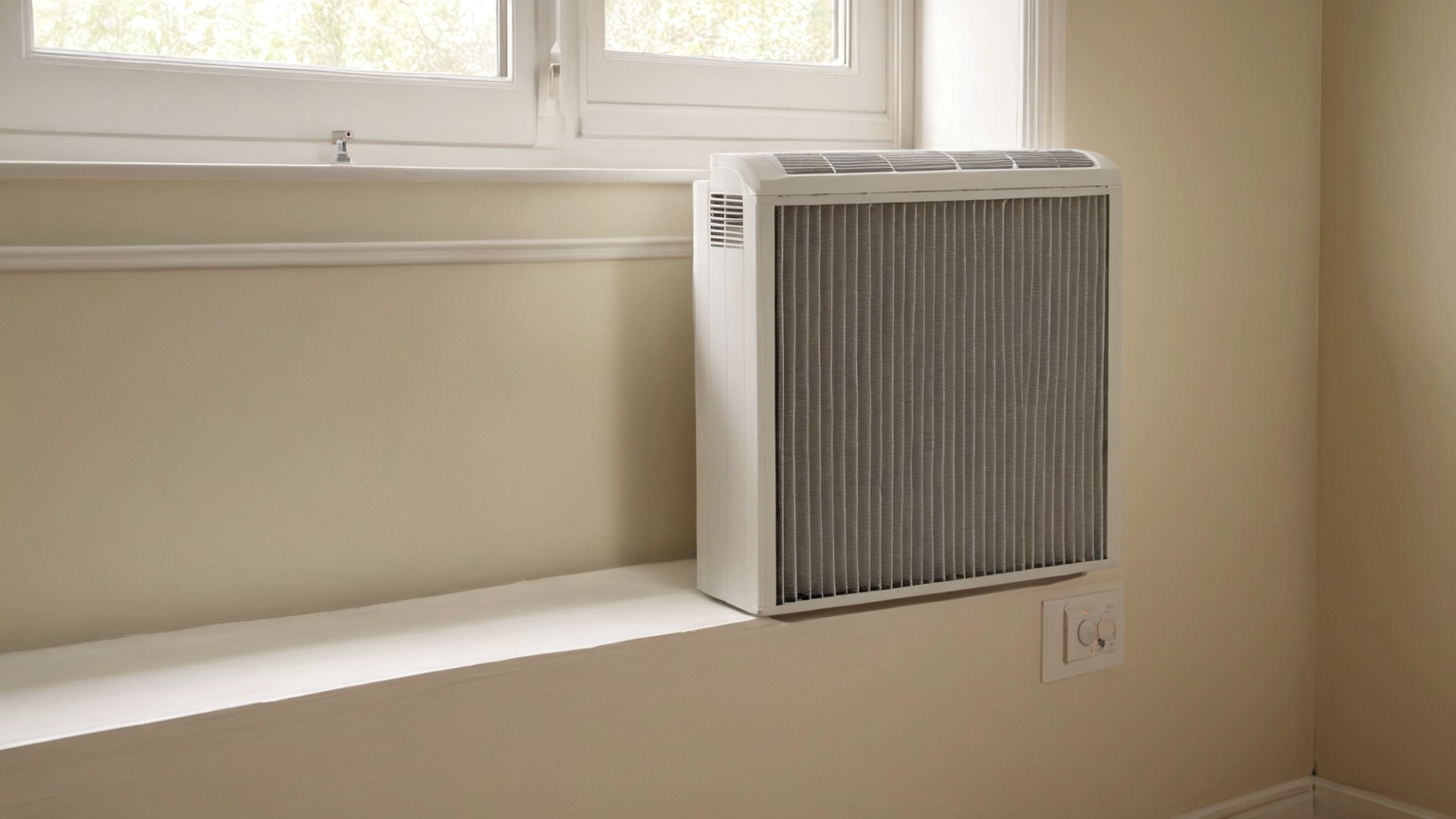
A heat pump can support comfort during wildfire-smoke days, but it is not automatically a clean-air plan. Filter condition, window habits, portable air cleaner placement, fan settings, room selection, and vulnerable residents all matter. This guide was checked on 2026-06-22 against EPA, AirNow, DOE, CDC, and ENERGY STAR resources. It is not HVAC design, medical, or electrical advice; follow equipment manuals, local smoke alerts, utility guidance, and qualified professional recommendations when they are more specific.
Quick decision table
| Situation | Safer choice | Mistake to avoid |
|---|---|---|
| Smoke forecast is rising | Prepare one clean-air room and inspect filters | Waiting until the room already smells smoky |
| Filter is dirty or unknown | Follow manual-compatible replacement guidance | Forcing a filter the system cannot handle |
| Heat and smoke overlap | Prioritize vulnerable people and safe cooling | Opening windows for comfort when outdoor smoke is worse |
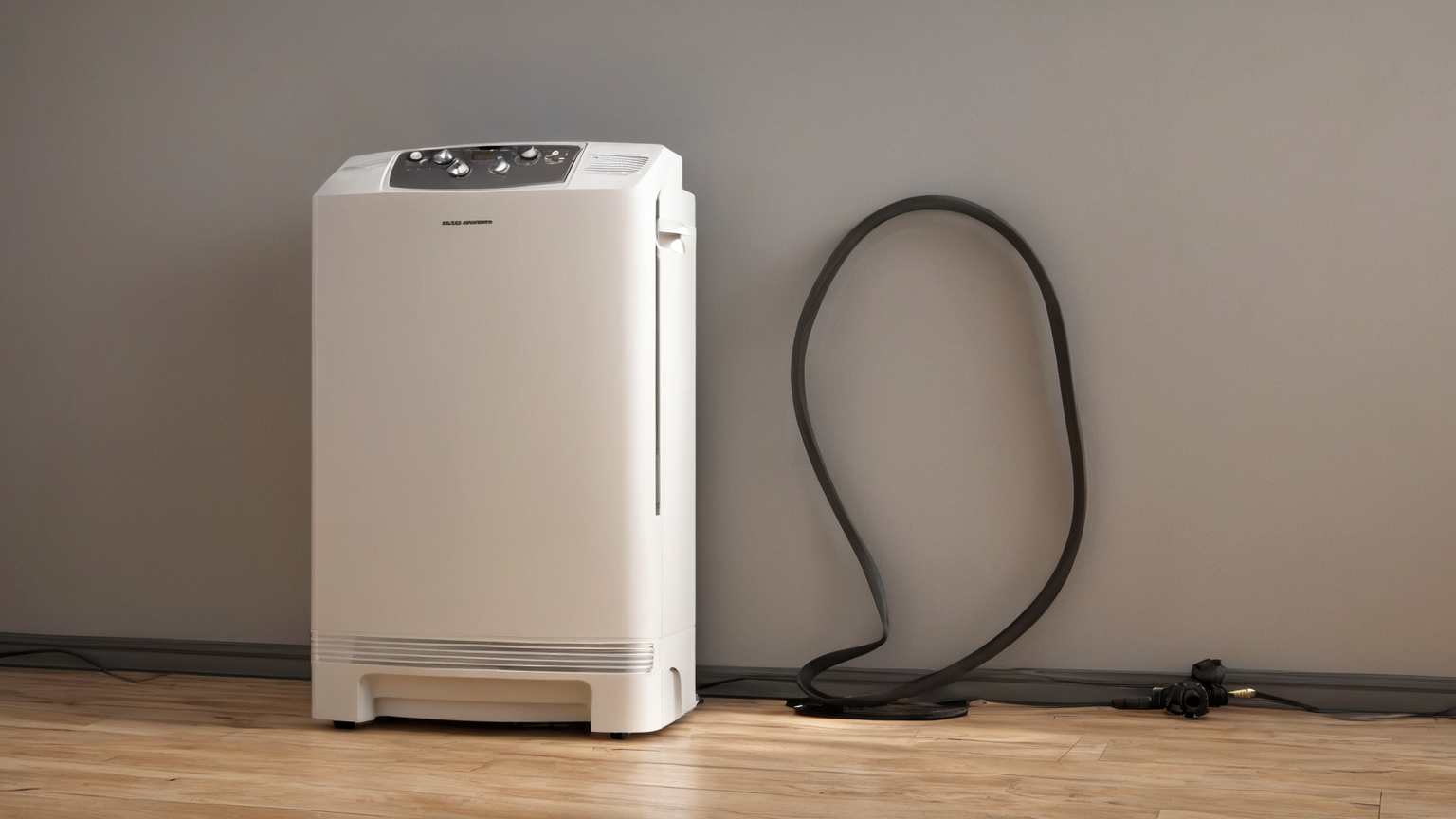
| Portable cleaner is used | Place it safely with clear airflow and cords | Blocking airflow or overloading outlets |
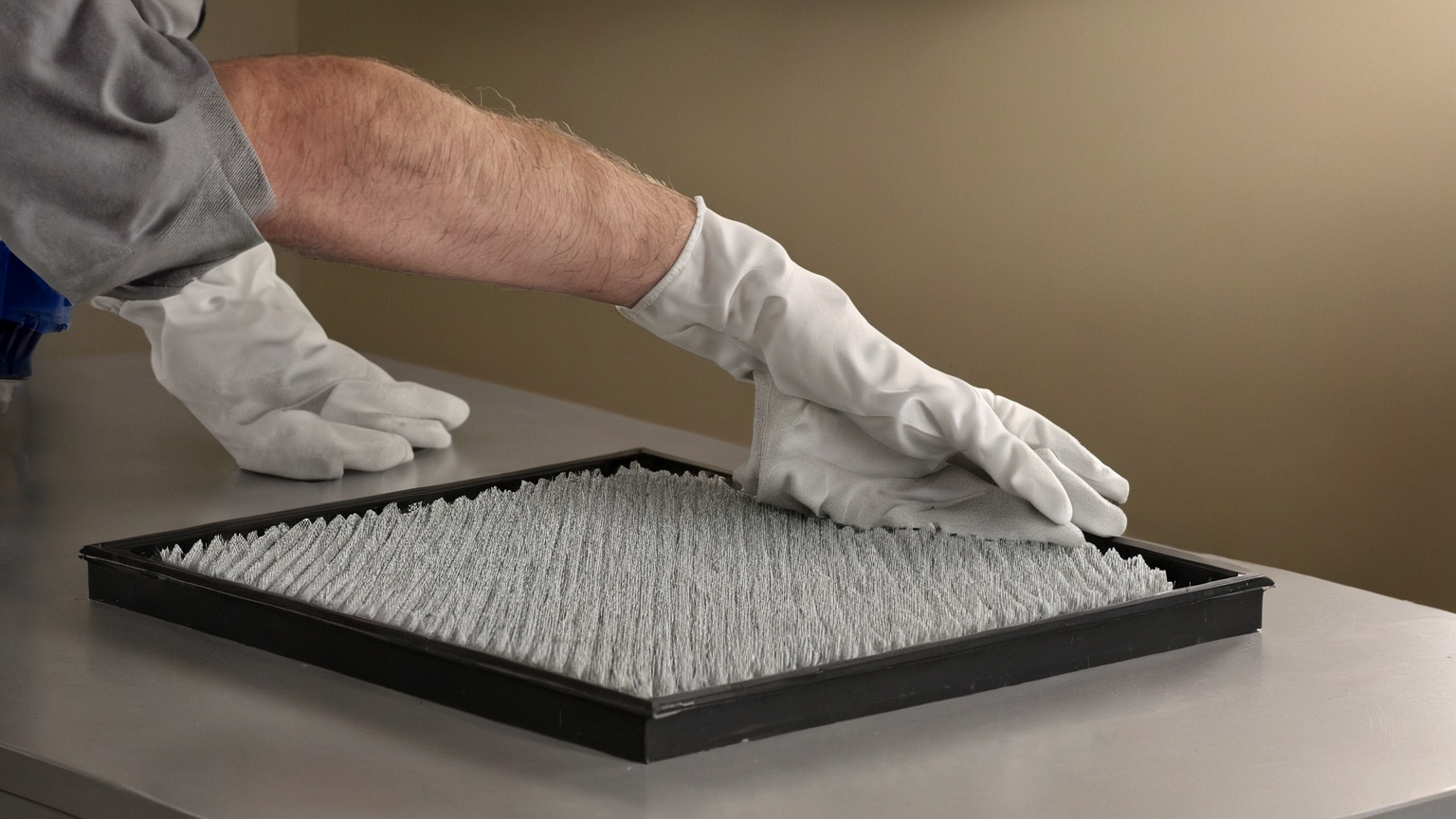
1. Choose the clean-air room before smoke arrives
Start by naming the specific risk this article is about: heat pump filter wildfire smoke home air and energy plan. The first useful action is not a purchase or a shortcut; it is a current-condition check against the official sources listed below and against the real household, body, road, appliance, or kitchen setup in front of you. Write down the trigger that makes the normal plan unsafe, the lower-risk substitute, and the point at which you will stop. That small bit of friction prevents the most common failure mode: acting from yesterday’s conditions or from a habit that no longer matches the current risk.

2. Match filter actions to the actual system
Use a two-column setup: what must be ready before the task starts, and what must stay out of the way. Helpful content is specific enough to change the environment. Put clean tools, safer routes, lighter workloads, sealed containers, filters, water, or official-alert bookmarks where they are visible. Remove the tempting shortcut, such as a single shared utensil, a live traffic shoulder decision, a clogged filter, or a training load that belongs to last month rather than today. The aim is not perfection; it is a repeatable setup that makes the safe action easier than the risky one.
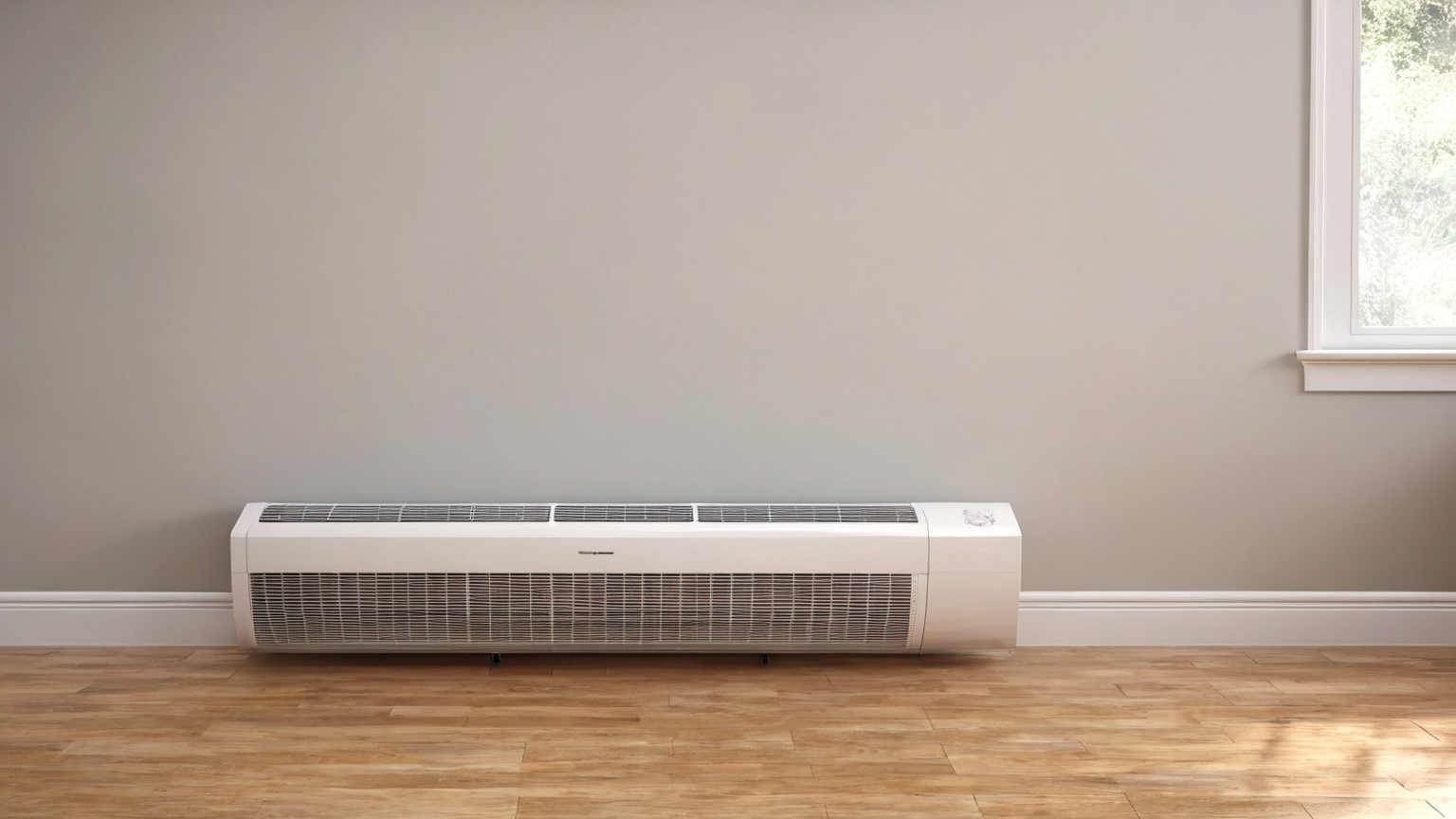
3. Balance comfort, recirculation, and energy load
When two warnings overlap, choose the conservative branch. Heat plus smoke, fatigue plus chest symptoms, outdoor serving plus raw-food transport, or poor visibility plus a long unfamiliar route should not be treated as isolated inconveniences. Stack the warnings in plain language, then reduce intensity, delay the trip, keep food cold, prepare a clean-air room, or ask for qualified help. This is also the point where the article stays policy-safe: it avoids miracle claims, avoids panic, and makes the limits of a general web guide clear.

4. Avoid electrical and maintenance shortcuts
Build a stop rule before pride, hunger, schedule pressure, or travel momentum takes over. A stop rule should be observable: a symptom worsens, a cooler warms, smoke thickens, a passenger becomes vulnerable, a filter cannot be confirmed, or an official alert changes. If the rule triggers, do the lower-risk thing without debating it in the moment. A good stop rule protects the reader and protects site quality because it turns the post into decision support rather than thin evergreen filler.
5. Turn the smoke event into a readiness checklist
After the event, keep a short note: what source was checked, what condition changed, what item was missing, and what will be prepared next time. That note creates original household evidence and makes future updates easier. It also supports AdSense readiness because the page demonstrates practical experience, transparent limitations, primary-source links, non-commercial intent, and internal links that help readers continue learning without being pushed toward irrelevant products.
Step-by-step operating checklist
- Check the most current official source or alert before starting; do not rely on memory.
- Confirm the physical setup: room, route, cooler, appliance, workout load, people, tools, and time pressure.
- Choose the lower-risk option when two warnings overlap.
- Keep tables, warnings, and procedures as native page text, not embedded in images.
- Record what failed or felt confusing so the next update improves usefulness rather than adding volume.
Reader scenario
Imagine the normal plan is already scheduled. The meal is packed, the road trip is on the calendar, the workout is written, or the heat-pump setting seems familiar. The safer plan begins by pausing for one minute and asking whether today is actually normal. If the answer is no, the decision table above gives a substitute that protects health, safety, and trust while still letting the reader accomplish something practical.
Practical notes for households
Use this article as a working note, not as a one-time rule. Before the next similar situation, copy the decision table into a small checklist and add the details that are unique to your home, vehicle, kitchen, body, route, appliance, or local alert system. A guide becomes more useful when it contains concrete triggers: the symptom that stops training, the cooler step that prevents cross-contact, the visibility condition that delays a trip, or the filter check that changes a heat-pump plan. These notes make the page easier to trust because they are practical, observable, and tied to the sources rather than to a vague promise.
For readers with higher risk, use a stricter version of the plan. That may include older adults, children, pregnant people, people with heart or lung conditions, immunocompromised family members, passengers who cannot leave a vehicle independently, or guests who depend on the host for safe food handling. The conservative branch is not a failure; it is the correct design when the cost of being wrong is high. If official alerts, product manuals, food labels, or qualified professionals give stricter advice than this general guide, follow the stricter advice.
For site quality and AdSense readiness, the important point is that the article stays reader-first. There are no product boxes, no pressure to buy gear, and no claim that one checklist solves every case. The useful value is the synthesis: current source links, visual examples, native tables, plain-language stop rules, internal links to related guides, and an honest explanation of what still requires local judgment. That structure helps the post add durable value instead of becoming another thin daily update.
FAQ
Does this replace professional advice? No. It is a planning aid built from the listed sources; medical, emergency, mechanical, electrical, HVAC, and food-safety decisions can require qualified help.
Why are there no text-heavy graphics? The images are illustrative GTI13 raster assets. Procedures, tables, and warnings are written in the page body so readers and search engines can verify them.
What is the AdSense-readiness benefit? The article uses current source links, practical limitations, non-commercial guidance, internal links, and a clear safety-first tone, preserving trust rather than adding thin volume.